


The “Boho” style, is a popular contemporary design aesthetic that embodies a free-spirited, eclectic, and relaxed vibe.
The word boho comes from bohemian — a term used in the 19th century to describe free-spirited artists, writers, and creative people who lived outside social norms. The term is linked to the region of Bohemia, from which Romani communities were believed to have originated.
After the French Revolution, many artists began living very simply, combining vintage pieces, ethnic fabrics, handmade items, and eclectic objects. This period is considered the beginning of the boho style.
Later, the hippie movement gave the style a second life. Embracing freedom and self-expression, hippies rejected mass consumption and promoted natural living, personal freedom, and an interest in Eastern culture. Their style featured natural fabrics, ethnic patterns, fringe, and macramé — clothing became a form of self-expression.
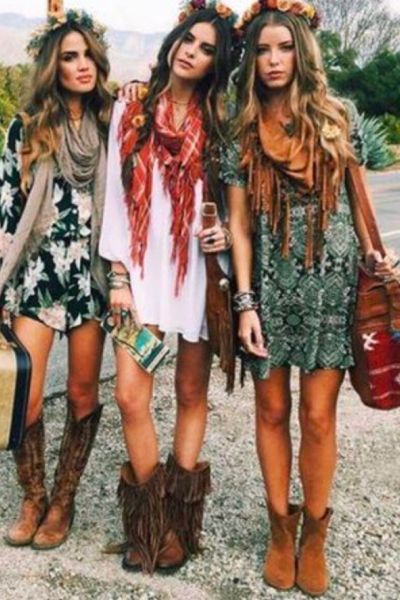
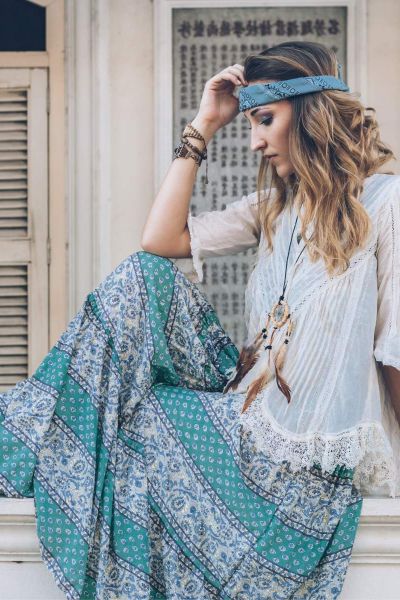
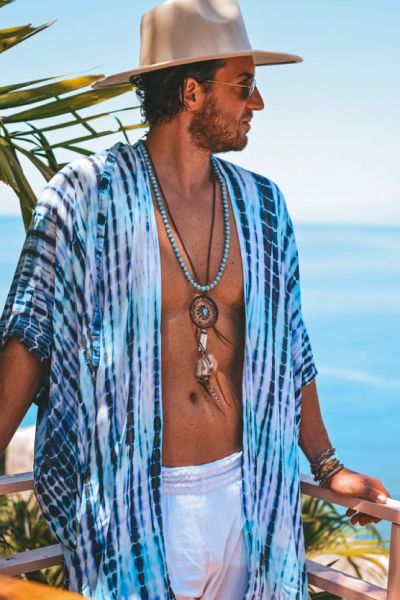
These examples showcase boho clothing style and were sourced from borninstockholm, endless-summer, backfrombali
Parallel to its development in art and lifestyle, boho also emerged as an interior design movement. In the 19th century, bohemians—artists, writers, and musicians—decorated their homes outside the rules of classical interior design. Instead of symmetry and expensive, perfectly matched furniture sets, they created spaces intuitively, combining vintage pieces, travel finds, handmade textiles, ethnic décor, and art. The home became a reflection of personality rather than status. This is how boho evolved as a distinct direction in interior design.
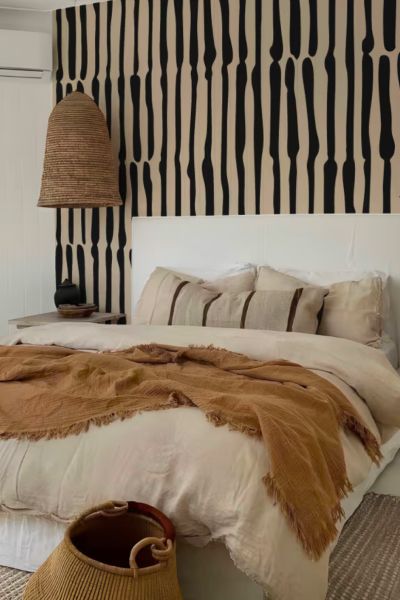
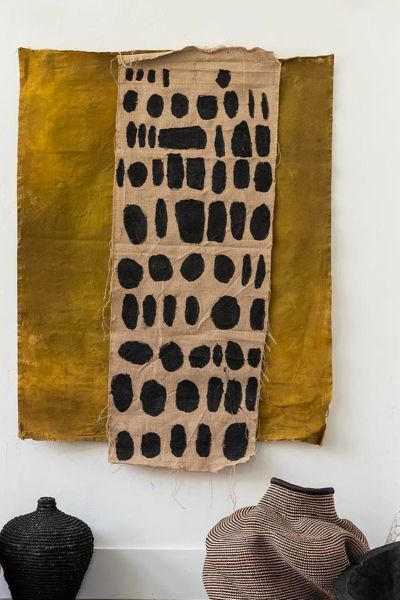
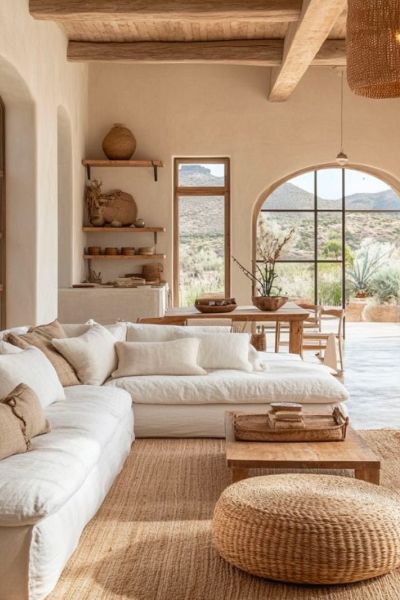
These images showcase boho interior style and were sourced from maisonsdumonde, pinterest, theolivebranchnest
This is how the boho style evolved through culture, fashion and interior design. In other words, boho developed across generations and eventually found its place in the digital space, where it gained its own distinctive features and characteristics.
What are the main characteristics of the boho style in branding?
As you can see, the boho style has distinct features and recognizable characteristics that convey a unique mood and spirit. This is why it is widely used in branding, as it creates clear and expressive visual communication.
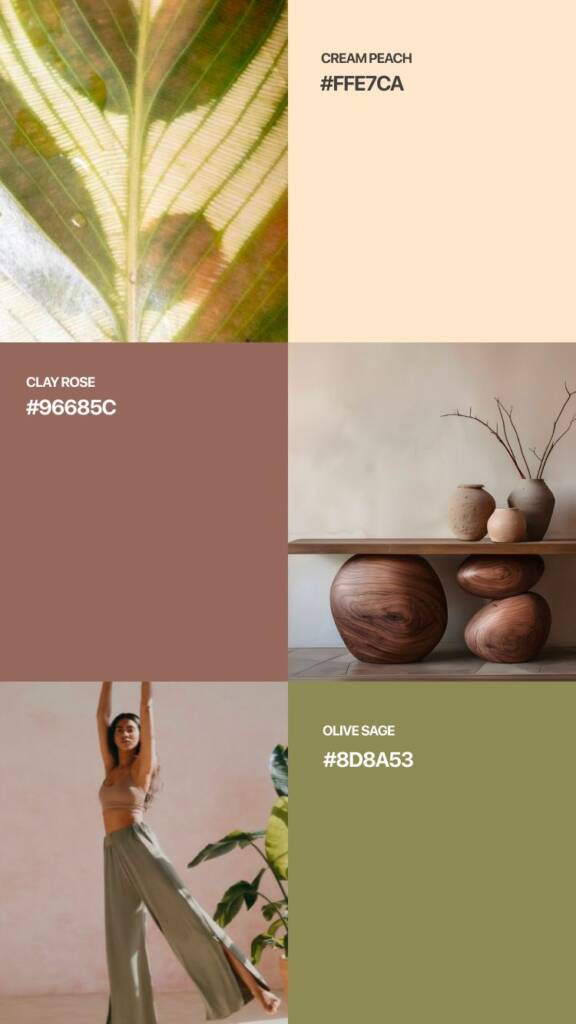
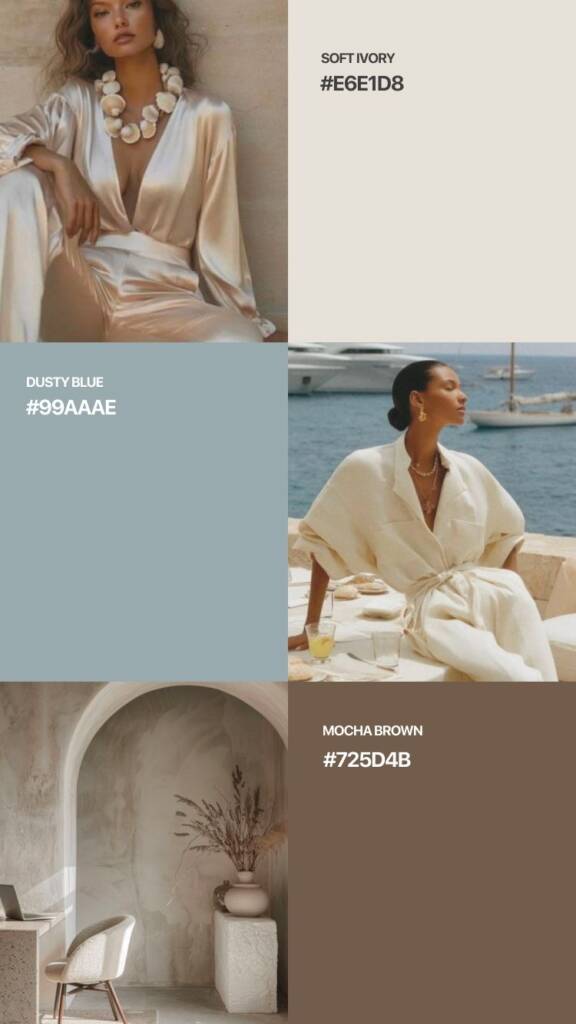
Boho branding typically features muted tones.
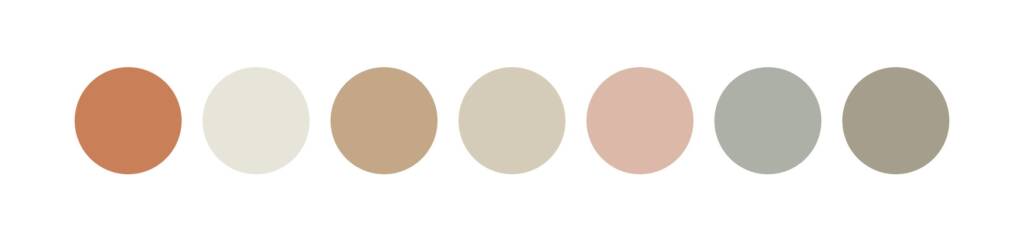
The boho branding style is often defined by muted, earthy tones. It often uses one accent color, typically orange or terracotta. Soft neutrals, warm browns, olive green, beige, and dusty pastels are commonly used to create a calm, organic, and welcoming feel. These colors reflect nature and evoke warmth, authenticity, and emotional connection, helping brands communicate a relaxed yet sophisticated personality.
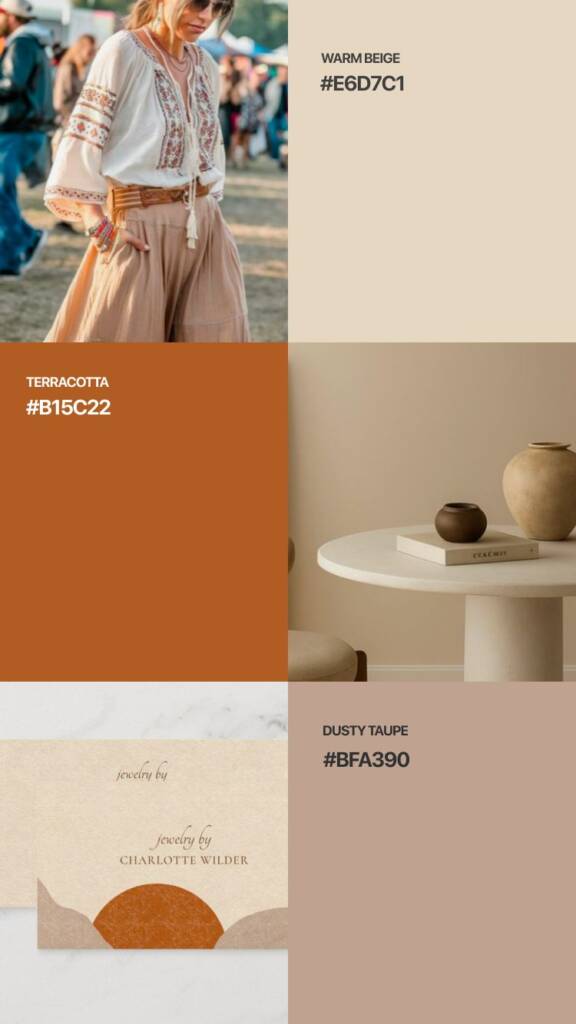
Check out the brand I created with a bohemian touch – Ethnical brand guide design for a fashion brand
Boho branding has an organic and artistic feel.
Boho branding draws inspiration from nature, handmade elements, and imperfect forms. It often uses soft shapes, organic patterns and imperfect elements to create a brand identity that feels personal and approachable. This gives the brand a warm, effortless, and human-centered feel.
Rooted in the bohemian culture of artists, writers, and creative communities, this style reflects individuality, freedom, and self-expression. Combined with natural elements, organic shapes, and earthy aesthetics, boho branding creates a visual identity that feels both artistic and deeply connected to nature.
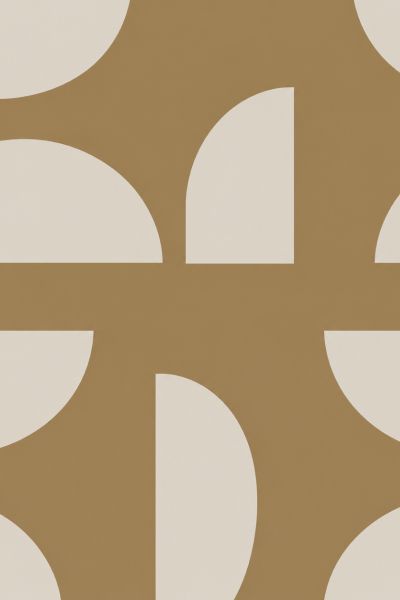
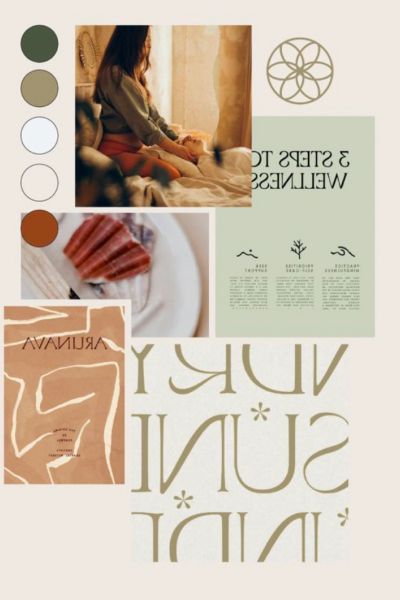
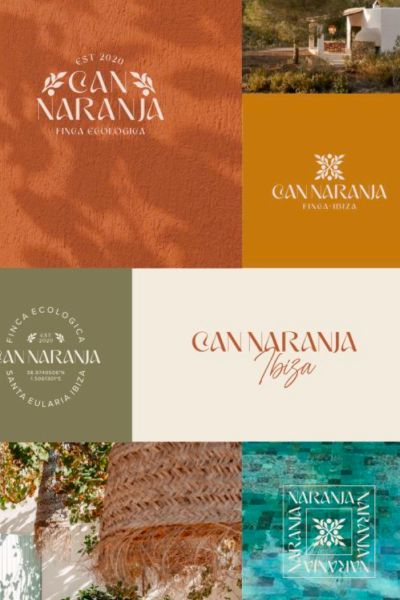
These examples showcase boho feel and touch style and were sourced from pinterest
Boho branding often uses arches and curved shapes.
Boho branding often incorporates arch elements inspired by clay architecture, Mediterranean interiors, and handcrafted design traditions. These shapes reflect natural forms commonly seen in adobe houses, pottery, and organic spaces. As a result, arches help communicate warmth, softness, and an earthy aesthetic that feels authentic to the boho style.
Boho style imagery often features clay objects, soft natural shadows, dried botanicals, and earthy textures. These elements create a warm, organic, and effortless visual atmosphere that reflects the natural and handcrafted essence of the boho aesthetic.
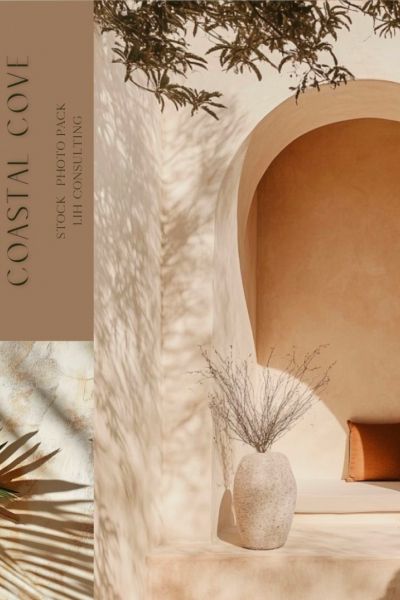
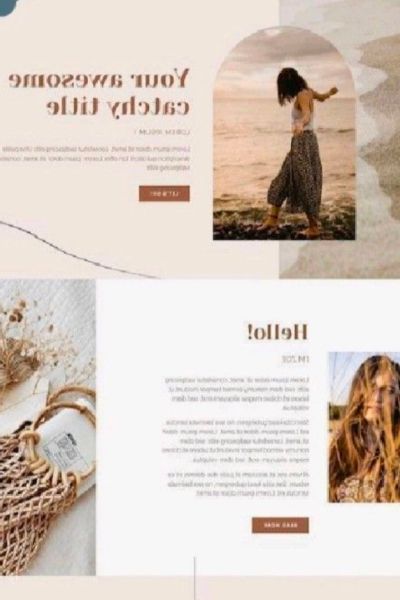
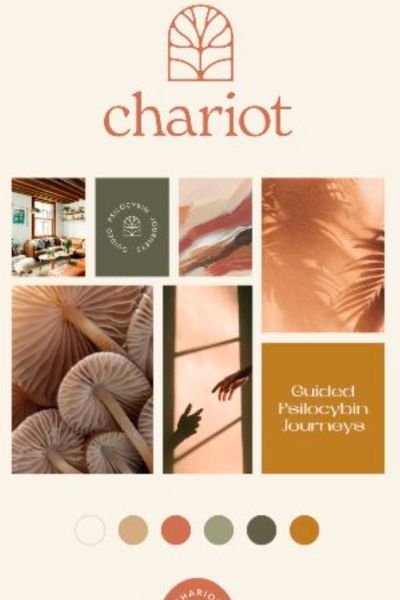
These examples showcase boho feel and touch style and were sourced from pinterest
You can explore a brand identity I created for a kitchen interior design company using a bohemian style – Elegant and timeless logo design and brand identity for a kitchen interior studio
Most commonly used on industries:
- Health & Wellness
- Fashion
- Interior Design
- Event Planning and Weddings
- Graphic Design and Branding
- Retail and E-commerce
- Photography
- Hospitality
- Crafts and DIY
Typography
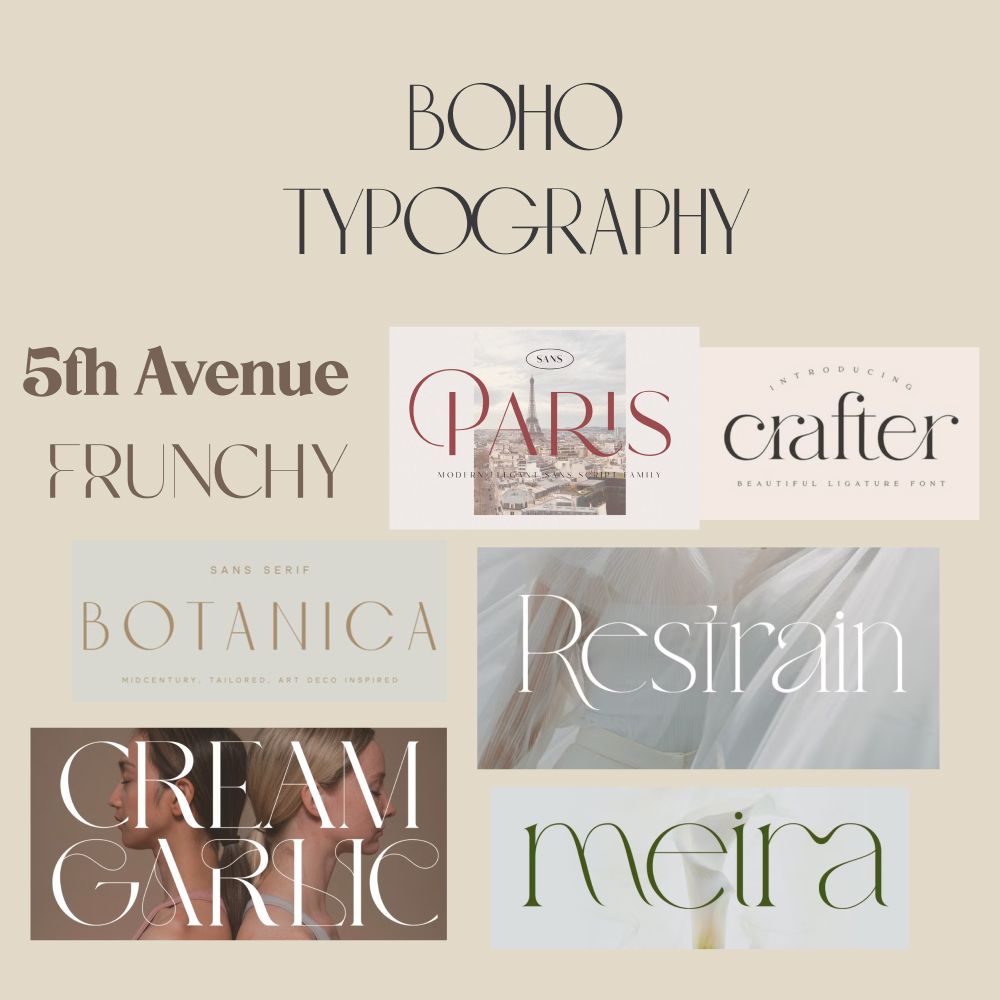
Boho branding typically uses typography that feels soft, artistic, and organic. Common choices include elegant serif fonts, clean sans-serifs with soft curves, and handwritten scripts that add a personal and handcrafted touch. These typefaces help create a visual identity that feels warm, expressive, and authentic.
You can check another project I created for bohemian lifestyle – Deer logo design for a boho e-commerce shop
Other Inspiration
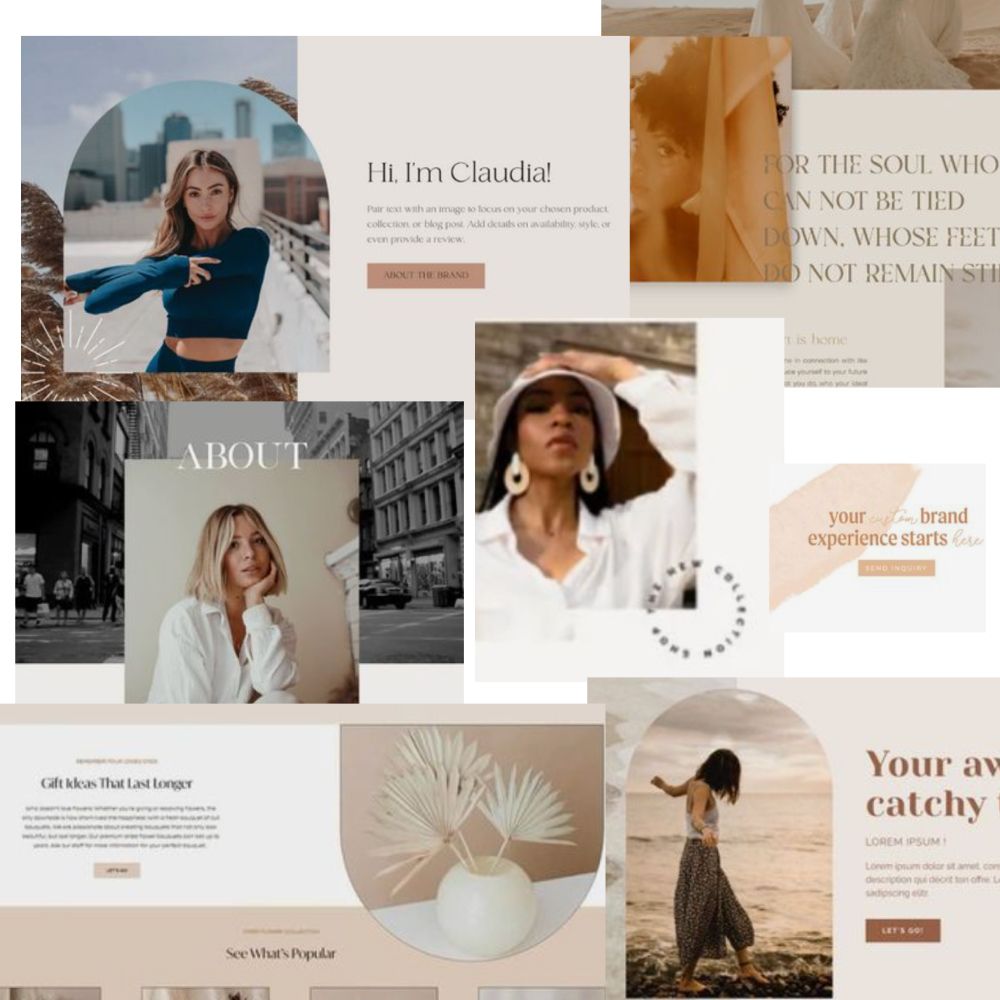
While the Boho style is undeniably popular, it can sometimes feel monotonous due to its limited range of graphic approaches. Don’t hesitate to mix styles and introduce new combinations. These guidelines will help you identify and match elements, but the true magic lies in your creativity

1 Comment