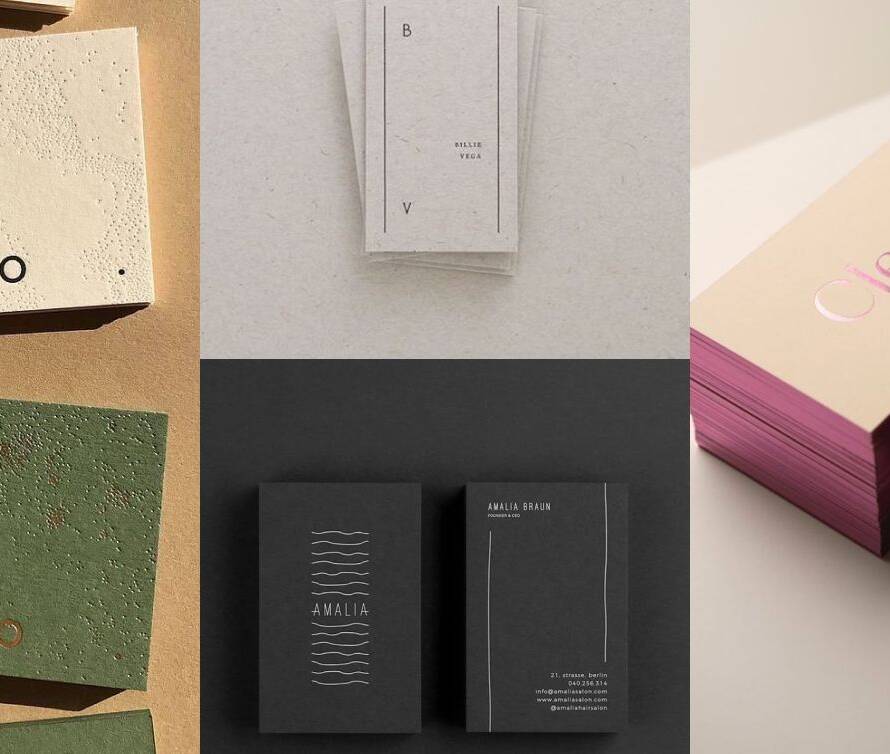
When you start an Interior Design business, or want to take it to the next level, the first thing you think about is the visual part of this business — because visuals, such as a logo and branding, are a tool of communication with your clients. And that’s exactly how it is — branding is what gives a business its identity. Your client no longer sees an abstraction with a set of services — they see the personality of your business.
As a brand designer, at a certain stage of my professional journey, I made mistakes that led to endless revisions, client dissatisfaction, and a vicious cycle — where the client couldn’t explain what exactly they didn’t like about the logo or branding, and I couldn’t understand how to find the right solution.
One day, I realized that it is critically important for a brand’s visuals and style to align not only with the client’s preferences and ideas, but also with the industry the brand is created for. Since then, I have actively studied different industries and their visual identities, and before starting each project, I consciously focused on the business niche.
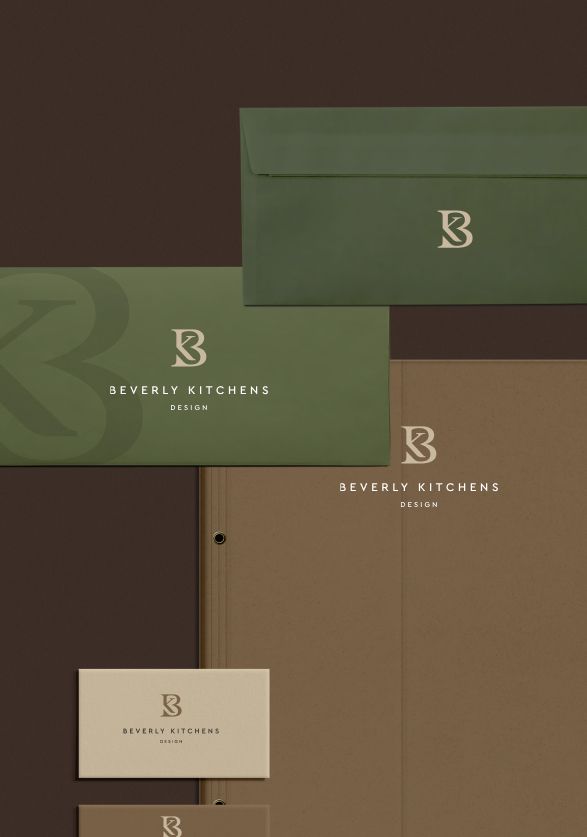
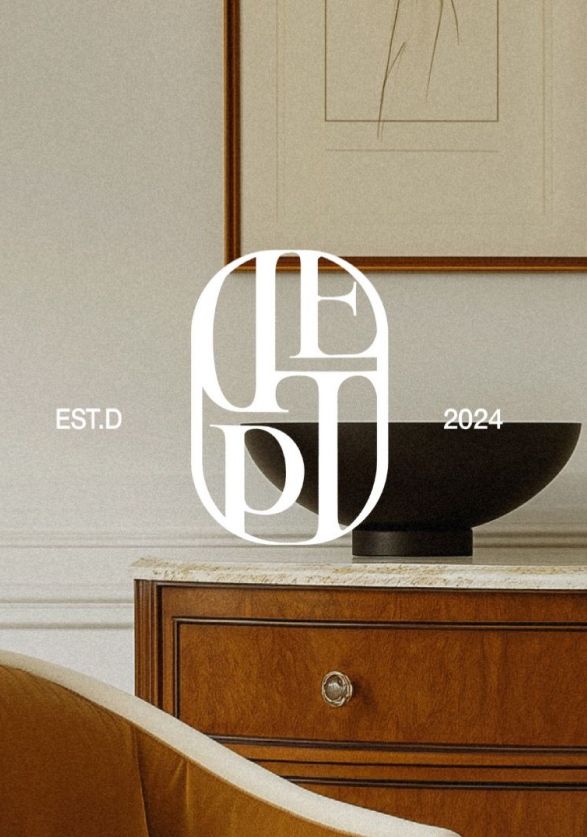
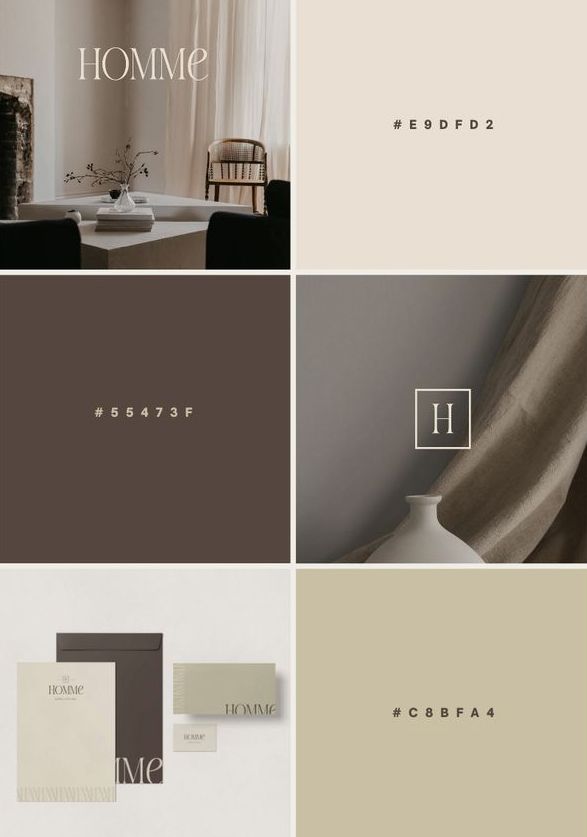
These examples showcase great interior design branding sourced from saffronavenue, jkcreativecompany
Check the logo and branding I created for an interior design company – Elegant and timeless logo design and brand identity for a kitchen interior studio
This is exactly what shortened the path between the first brand concepts and their approval — because while clients may have their own personal aesthetic preferences, I stopped being afraid to offer not only what the client wants, but also what I believe is right for the business.
In this article, I want to describe the fundamental principles of branding for Interior Design. Yes, every industry has its own specific characteristics and styles. For example, when developing branding for a legal firm, it is unlikely that you would want to use soft pink shades.
It is also very important to understand that some businesses cover several industries — and this is crucial to recognize. When creating a brand for yourself, the first thing you should do is sit down and write out which industries your business belongs to.
Since we are talking about Interior Design, it belongs to several industries, and every interior design business owner may naturally feel more drawn to one particular industry, seeing it as a point of differentiation. However, that does not mean the other industries should be ignored.
For example, Interior Design belongs to the design industry — but if your clients are families with children and dogs, you probably wouldn’t want your brand to feel too loud or overly creative, because your audience is unlikely to feel connected to it or see themselves in it.
Industries that an Interior Design business belongs to:
- Architecture & Construction — when focused on space planning, renovations, materials, and built environments. The visual style in this niche is usually strong, professional, structured, and business-oriented.
- Home & Lifestyle — for residential interiors, furniture, décor, and styling. This industry usually has a more casual and free-spirited style, sometimes incorporating vintage or retro elements.
- Real Estate — because interior design often increases property value and market appeal. This industry usually has a more professional and trustworthy visual style.
- Creative Services — accent on unique ideas and creativity – more artistic style.
- Hospitality — for hotels, restaurants, resorts, spas. Minimalistic and calm style.
Interior businesses often use a bohemian style — check out more about it Graphic styles: Boho Style
Significant features that an interior designer can freely use for their branding.
Lines and borders
Interior design begins with layouts, plans, and technical drawings. Because of this, lines and borders naturally become one of the strongest visual elements in interior design branding. They reflect structure, precision, balance, and thoughtful planning. Clean lines can create a sense of professionalism and order, while softer or more organic lines can make the brand feel more approachable, elegant, and creative. Using lines and borders in branding also helps visually connect the identity to architectural plans, floor layouts, and the design process itself.
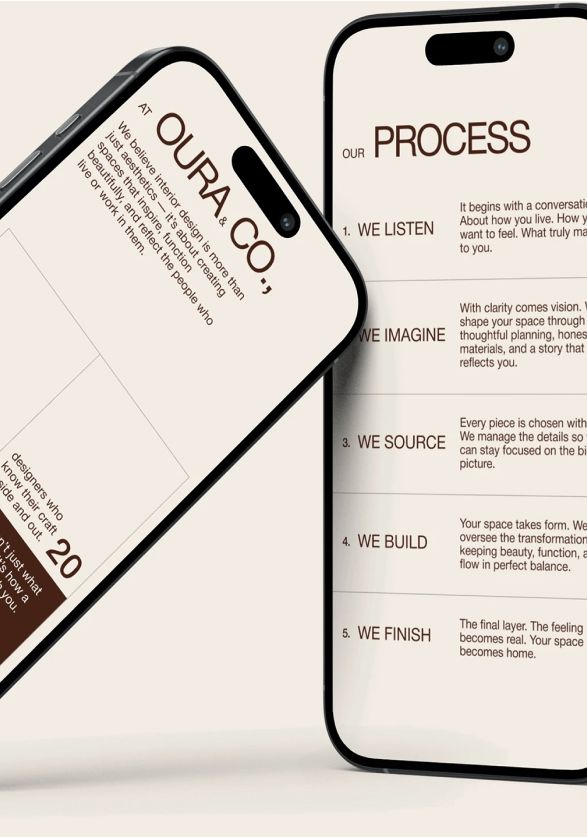
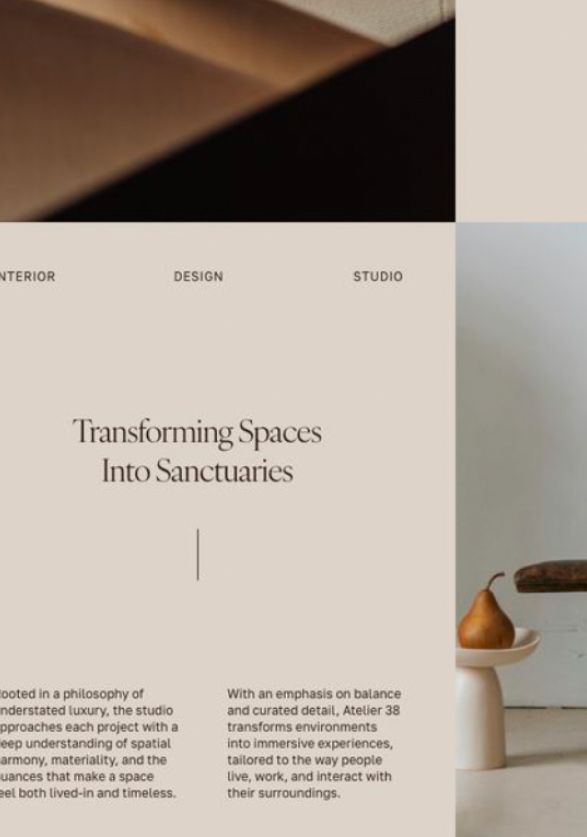
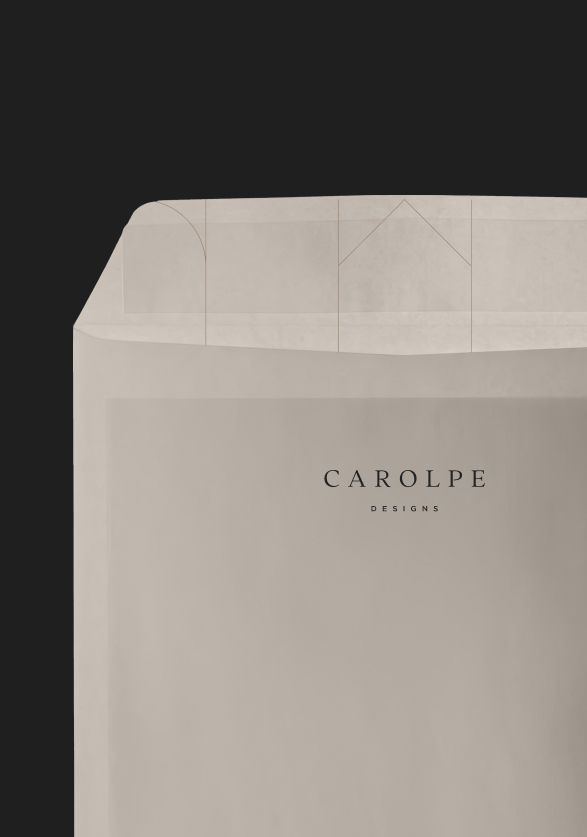
These examples showcase linear elements for interior design branding, 2 references sourced from behance, studioessentia
Check out another brand I created for an interior designer – Inviting and artful logo and brand guide for an interior designer
Photos and references
The result of an Interior Design designer’s work is the visualization of spaces and rooms. It is not something purely artistic or abstract — it is the rendering of real spaces and real environments. That is why photos and videos should play a significant role in the branding of this business.
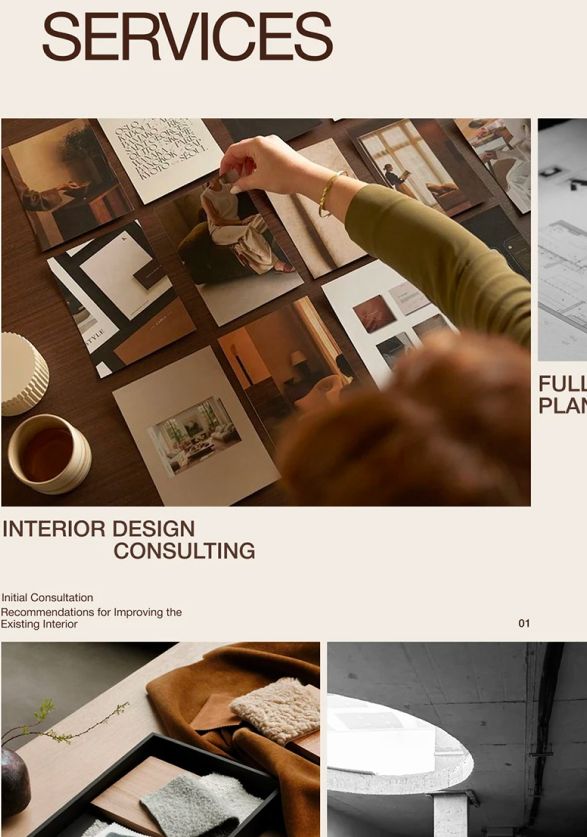
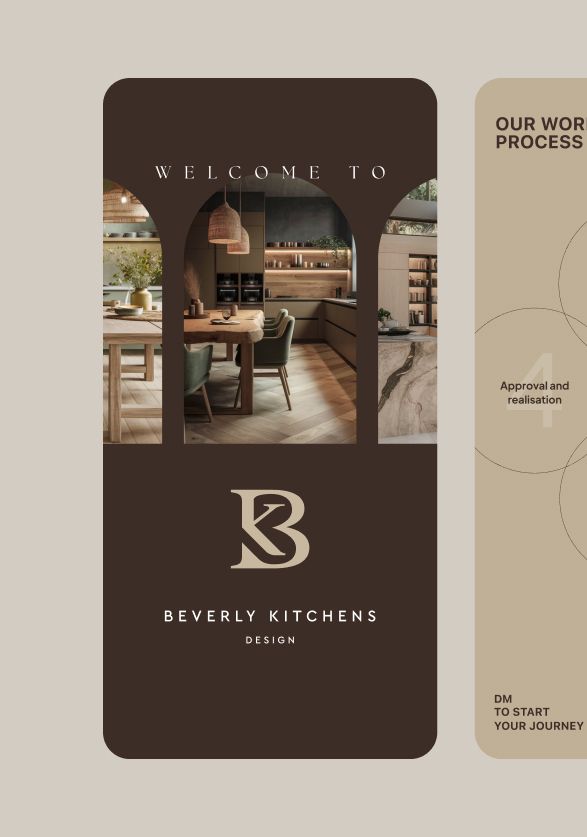
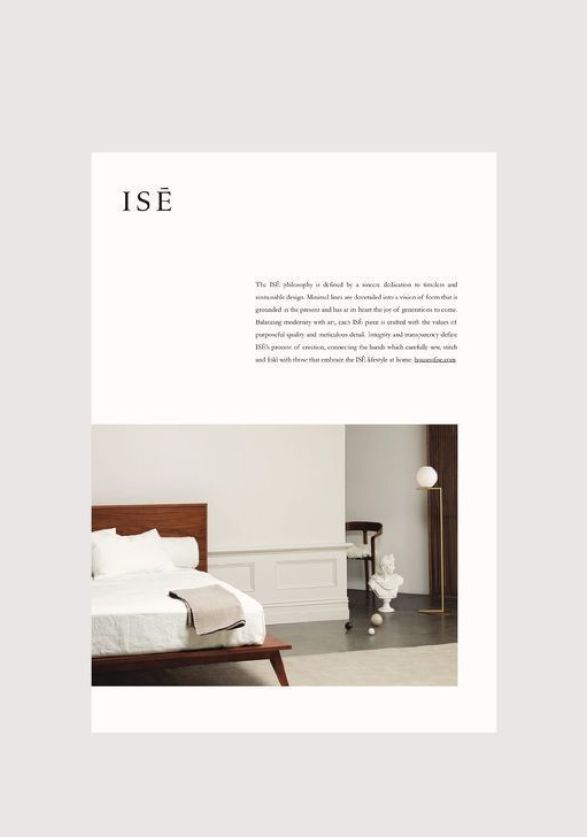
These references includes imagery elements for interior design branding, sourced from behance, pinterest
Modern and minimalistic style
Interior Design is a niche that, in one way or another, needs to stay aware of trends and remain current. That is why branding in this industry is often high-end, modern, and sophisticated, featuring unique editorial-style typography, generous spacing, and a strong sense of visual balance. This is a space where you can be bold and confidently communicate that you are the one who truly understands what your client needs.
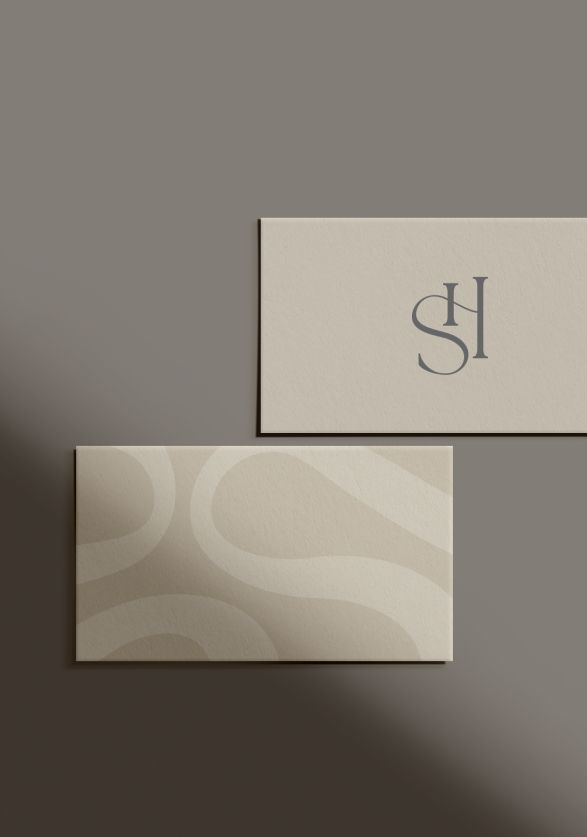
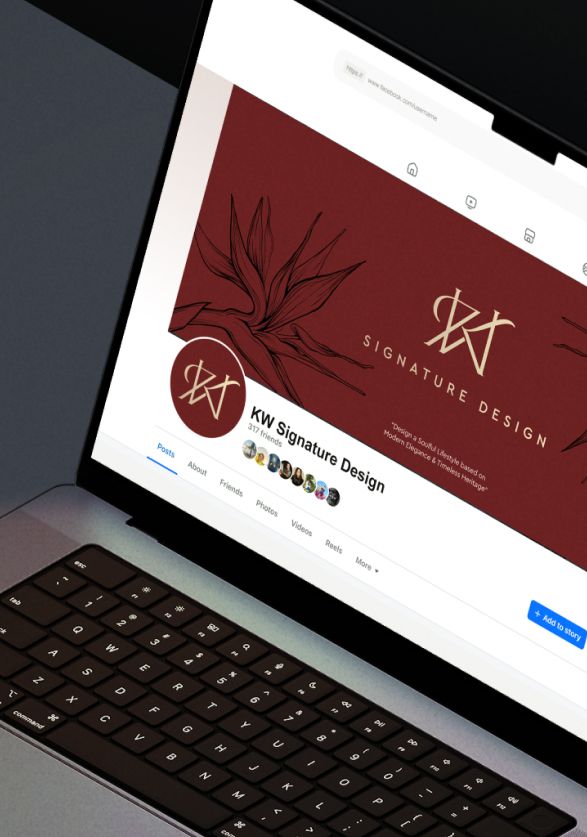
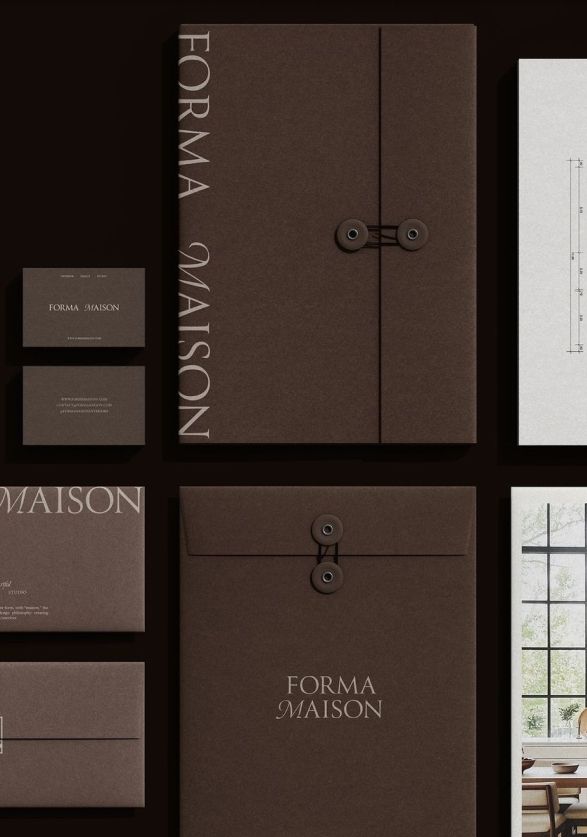
Colors for interior branding
Interior design color schemes tend to feature muted, grounded, and restrained shades. This is because Interior Design designers often strive to reflect the essence of the interiors they create. These are real spaces built with natural materials such as wood, fabric, or metal, which is why earthy, soft, and organic tones feel especially relevant in this niche. Also, warm color palettes are commonly used to evoke a sense of comfort, warmth, and coziness.
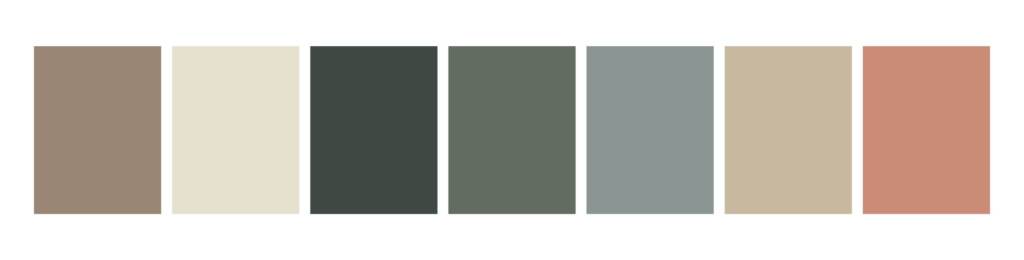
Trending colors for for interior branding
Brown color
Brown has become a leading trend in interior branding because it naturally communicates luxury, stability, and confidence. Deep brown tones often feel refined and sophisticated, making them a strong choice for brands that want to convey a premium, high-end identity.
The color is also deeply connected to wood, natural textures, and organic materials, which instantly creates a sense of warmth, comfort, and authenticity. It brings the atmosphere of nature indoors, making spaces feel grounded, inviting, and timeless.
In branding, brown helps create a balance between elegance and coziness — offering both a luxurious aesthetic and an emotional sense of warmth. This makes it especially relevant for interior designers, furniture brands, and home-focused businesses aiming to create spaces that feel both elevated and welcoming.
Burgundy color
Burgundy has become increasingly popular in interior branding for its rich, sophisticated, and luxurious character. Associated with elegance, prestige, and confidence, this deep red tone instantly adds a sense of refinement and exclusivity to a brand identity.
Its depth creates a bold yet timeless presence, making interiors feel elevated and thoughtfully curated. Burgundy is often linked to luxury materials such as velvet, leather, and dark wood, which strengthens its premium appeal.
At the same time, burgundy brings warmth and emotional depth into a space. It creates a cozy, intimate atmosphere while maintaining a strong visual statement. For interior designers, this color works especially well for brands aiming to express luxury, confidence, and a modern sense of sophistication.
Off white colors
Off-white tones remain a major trend in interior branding because they represent elegance, simplicity, and timeless sophistication. Unlike pure white, off-white shades feel softer and warmer, creating a more inviting and refined atmosphere.
These tones are often associated with minimalism, luxury, and understated confidence. They provide a clean foundation while still adding depth and warmth to a space, making interiors feel bright, airy, and effortlessly sophisticated.
Off-white colors also pair beautifully with natural materials such as wood, stone, linen, and marble, enhancing their organic and premium appeal. In branding, they help create a calm and balanced aesthetic that feels modern yet timeless. This makes off-white especially popular among interior designers who want to communicate luxury, comfort, and effortless elegance.
Below you can see some color palettes for your inspiration
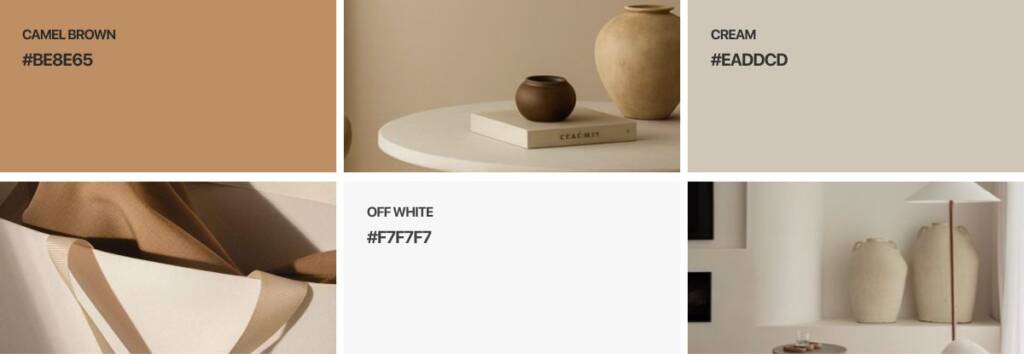
Color palette for sophisticated interior branding
This palette combines soft off-white, warm cream, and camel brown tones to create a refined and harmonious look. The neutral foundation brings brightness and elegance, while the warm brown accents add depth, comfort, and a sense of understated luxury.
This palette feels calm, timeless, and sophisticated, making it ideal for interior brands that want to communicate warmth, minimalism, and premium aesthetics. Inspired by natural materials like sand, linen, wood, and stone, it creates an atmosphere that feels both modern and welcoming.
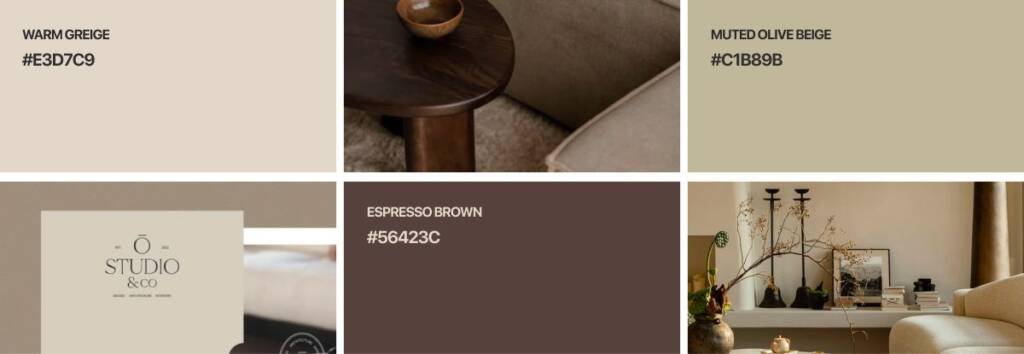
Contrasting color palette for modern interior branding
This palette combines warm greige, muted olive beige, and deep espresso brown to create a striking contrast with a refined and sophisticated feel. The lighter neutral tones bring balance and elegance, while the dark espresso brown introduces depth, strength, and a bold visual presence.
This contrasting palette feels confident, modern, and elevated, making it ideal for interior brands that want to stand out while maintaining a sense of luxury. Inspired by rich wood tones and natural earthy elements, it creates an atmosphere that feels both grounded and powerful.
Deep color palette for confident interior branding
This palette combines chestnut brown, deep espresso, and warm ivory to create a bold and sophisticated visual identity. The rich dark tones add depth, confidence, and a sense of luxury, while the soft ivory brings balance and refinement.
This deep color palette feels dramatic, elegant, and highly premium, making it ideal for interior brands that want to communicate confidence and exclusivity. Inspired by dark wood, rich textures, and timeless materials, it creates a moody yet refined atmosphere with a strong luxurious presence.
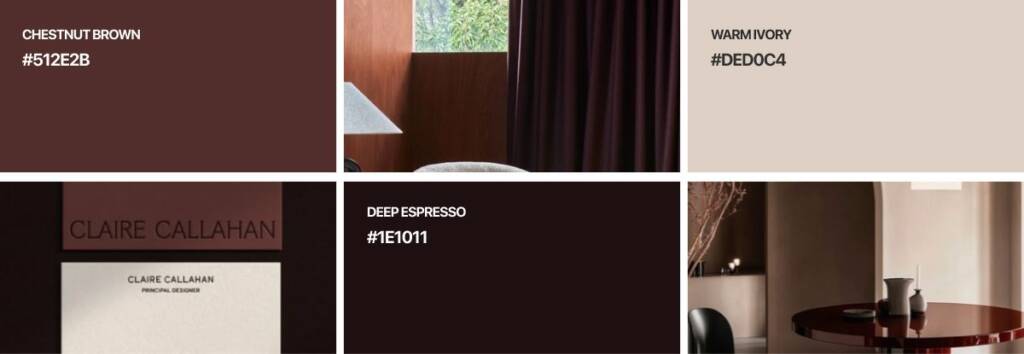
Check out the bold and professional brand I created for an interior design studio – Edgy, unique logo and stationary design services for an interior company
Fonts for interior design branding
Fonts used in Interior Design branding are quite versatile — they can be feminine or masculine, serif or sans-serif. The key is to clearly define the overall brand direction and support it with strong, high-quality typography. Overall, interior designers tend to prefer serif and editorial-style fonts, as they often create a sense of sophistication, elegance, and timeles
Typography example 1
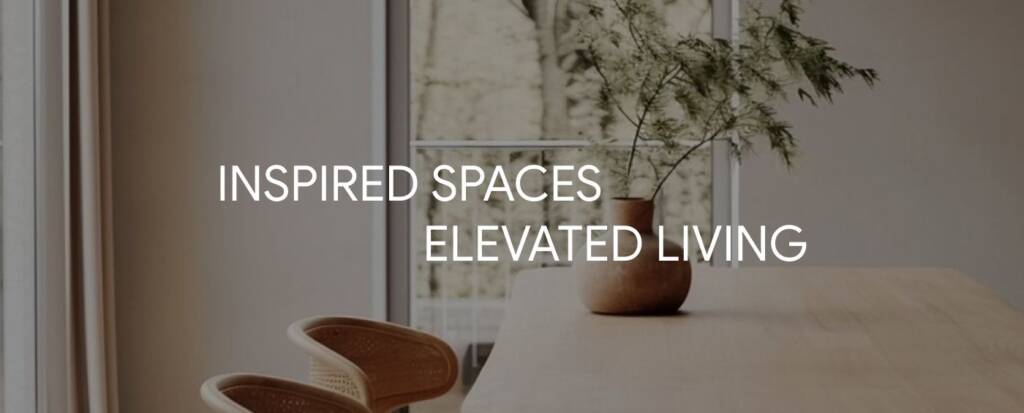
This typography example highlights how clean, minimal letterforms can create a refined and contemporary visual identity. The simple structure feels modern, elegant, and effortless, allowing the message to stand out without overwhelming the design.
This style works especially well for interior brands that want to communicate sophistication, calmness, and understated luxury.
You can download this font here
Typography example 2
This typography example demonstrates how bold, condensed fonts create a strong and confident visual presence. Clean lines and structured letterforms communicate professionalism, stability, and modernity, making this style especially effective for architecture, interior, and real estate brands.
The bold typography instantly captures attention while maintaining a sleek and minimal aesthetic. It creates a powerful visual statement that feels contemporary, reliable, and forward-thinking.
You can download this font here

Typography example 3
This wide typography style creates a strong and commanding visual presence. Bold letterforms and generous spacing give the design a modern, structured, and highly professional feel.
It works especially well for architecture, construction, and interior brands that want to communicate confidence, innovation, and reliability.
You can download this font here

You can also download some great fonts here — luxury summer fonts to grab