

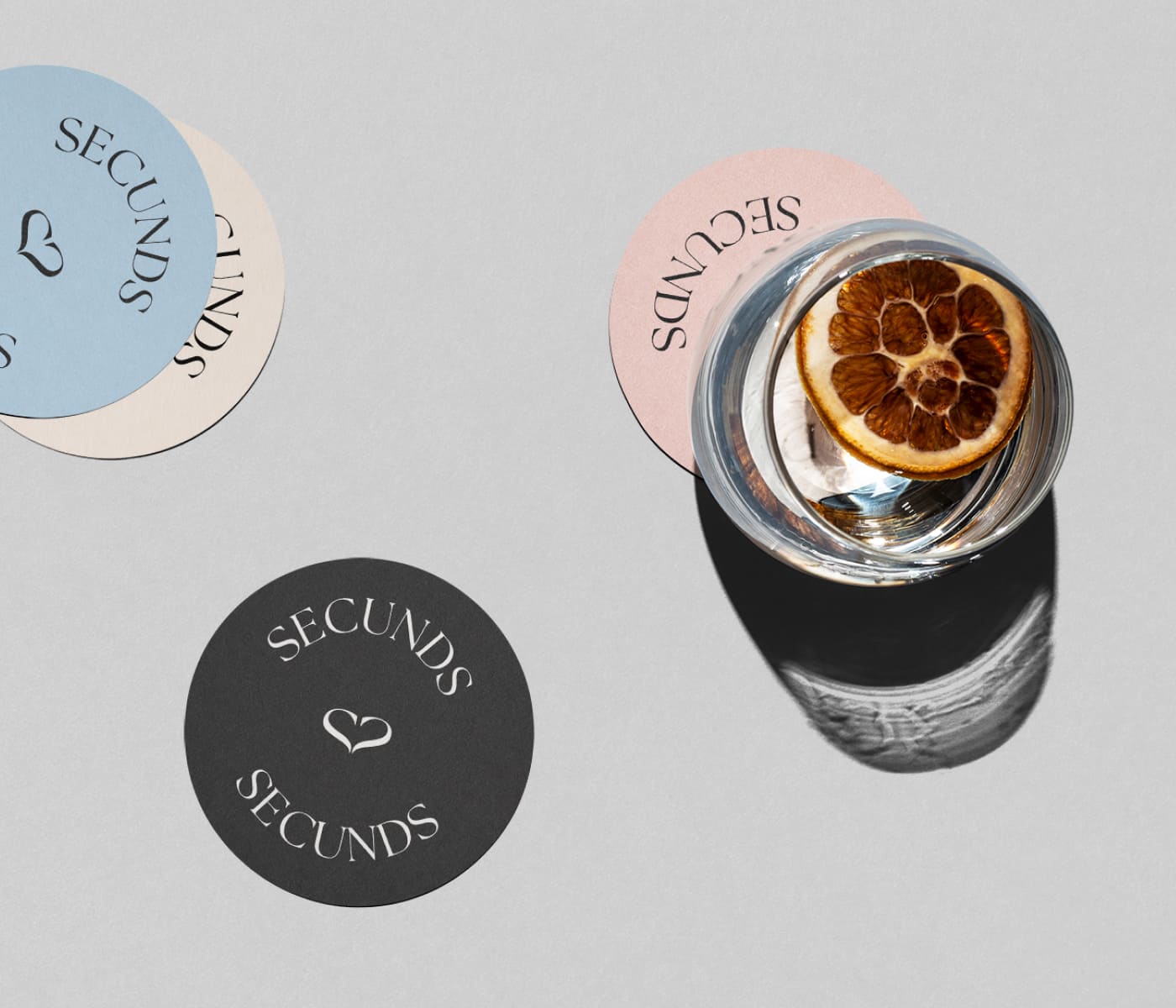

I was contacted by a client via Instagram regarding a project. She wanted to bring her idea to life and launch a dessert company. The concept was rooted in the name — “Secunds,” a variation of “seconds,” built on the idea that everyone wants another serving because it’s just that good.
Logo design process for a dessert company
Unlike most projects, the focus here was very clear — to build around the idea of the name. I began exploring the associations the concept of “seconds” evokes.
Keywords of seconds – clock, dial, watch, ticking, time, countdown, timer, stopwatch, hourglass. Movement, rotation, ticking, rhythm, motion, flow, progression, repetition, cycle, precision.
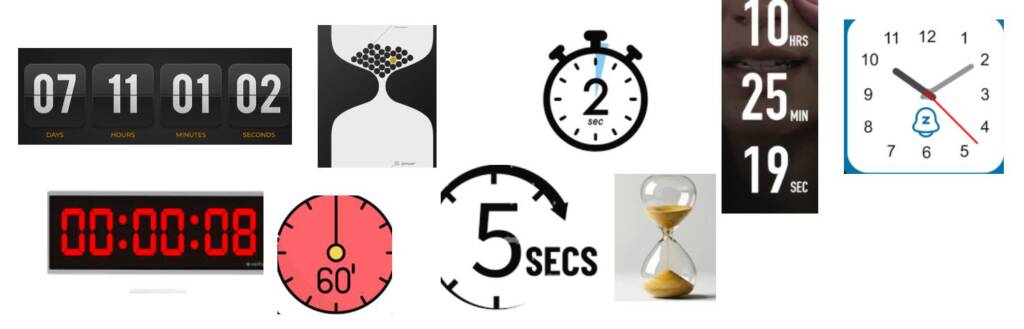
A quick google research if to enter the keywords
This way I shaped initial options to play around these keywords.
You can see a few initial concepts that I presented to the client. One of the options included hour markers, interpreted in a minimalistic way using the letter “S” as the first letter of the brand. Another option explored a wordmark with a specific treatment — small circles that evoke a sense of multiplicity, like seconds within an hour, while also offering strong potential from a branding perspective. Another concept featured a modified “C” letter designed as clock hands — the hour and second hands.
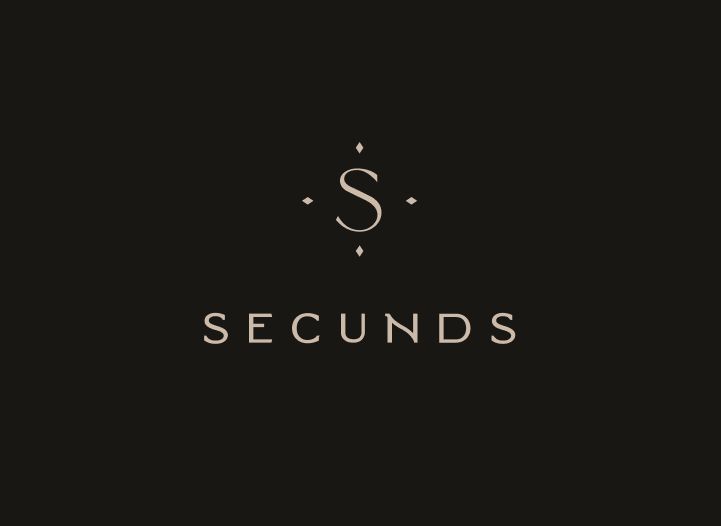
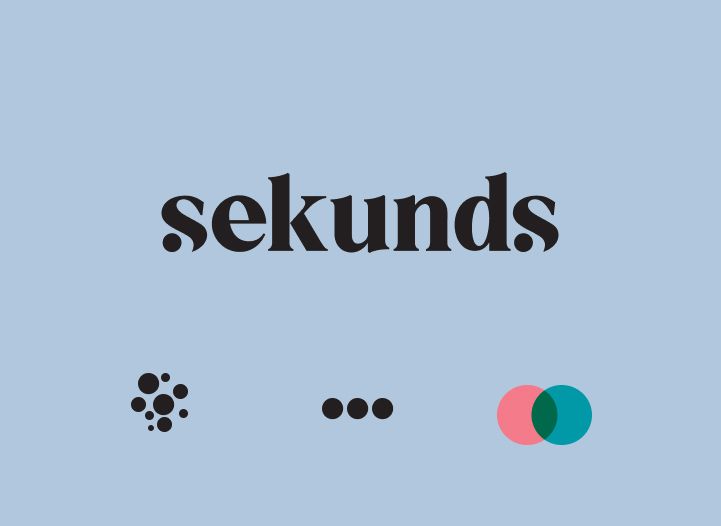
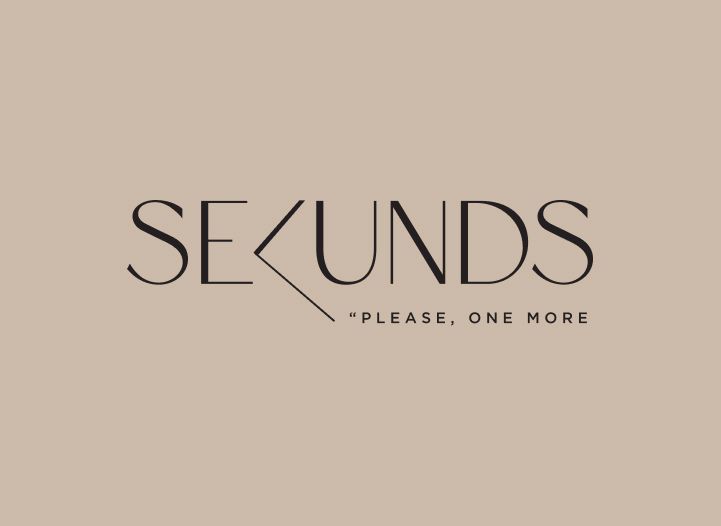
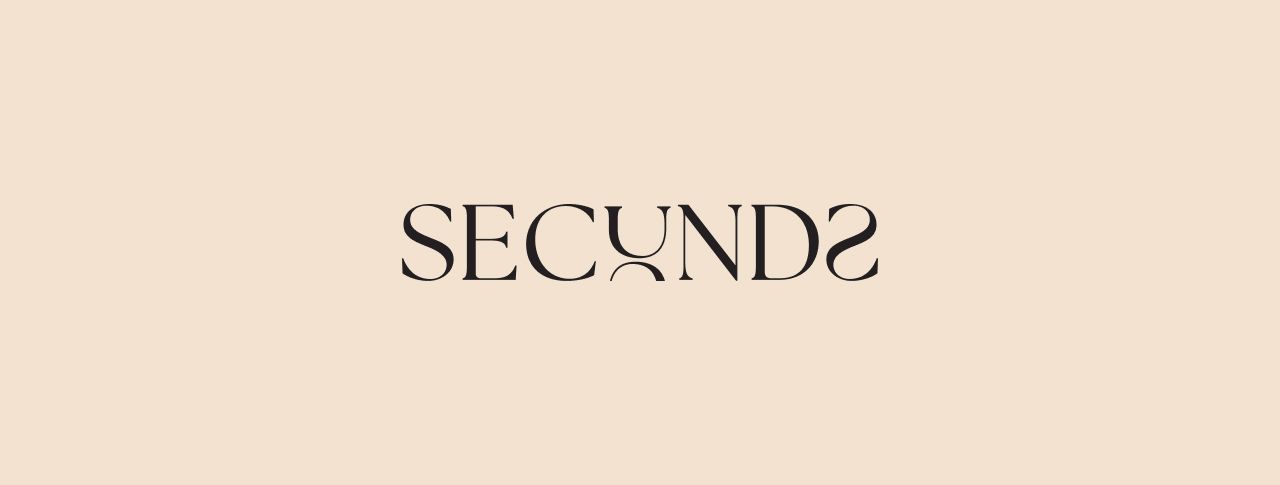
One of the options explored a sense of movement. I noticed that the letter “U” can resemble a vertical countdown, like where one digit replaces another. This idea was clever, but I felt it was missing something.
Having just a wordmark for a brand is rarely enough, as many use cases require a shorter logo format. I could have used the first letter “S,” but it felt too plain. I knew there was another interpretation of the “S” that could align more naturally with the wordmark.
S and S logo
When exploring the symbol, I used the letter “S” as the first letter of the brand. It’s a common and natural approach for creating a short version of a wordmark. I like working with the “S” — it’s my favorite. Its curved, soft form makes it highly versatile across different uses and placements from a logo perspective.
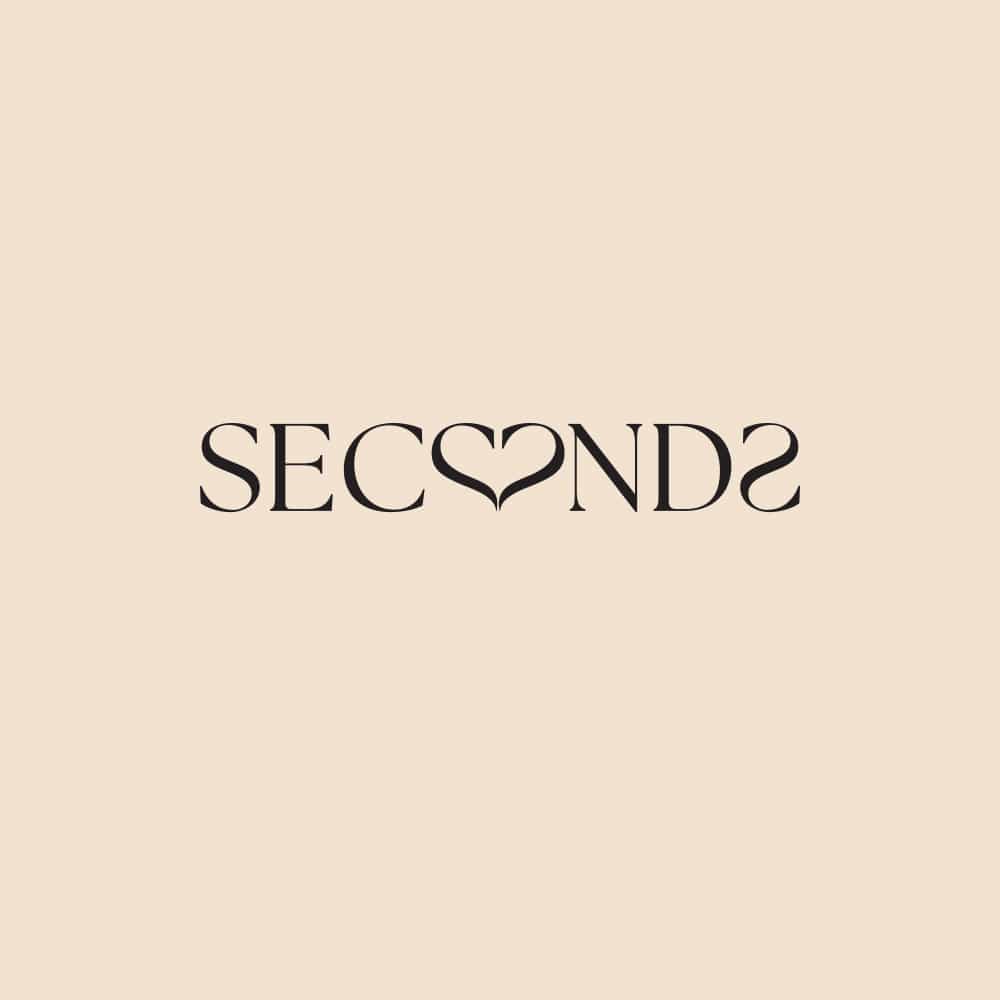
As I tested different variations, I noticed that when the “S” is cut, it begins to resemble a heart. This aligned perfectly with the brand concept — something so good that everyone wants another serving, something people genuinely love.
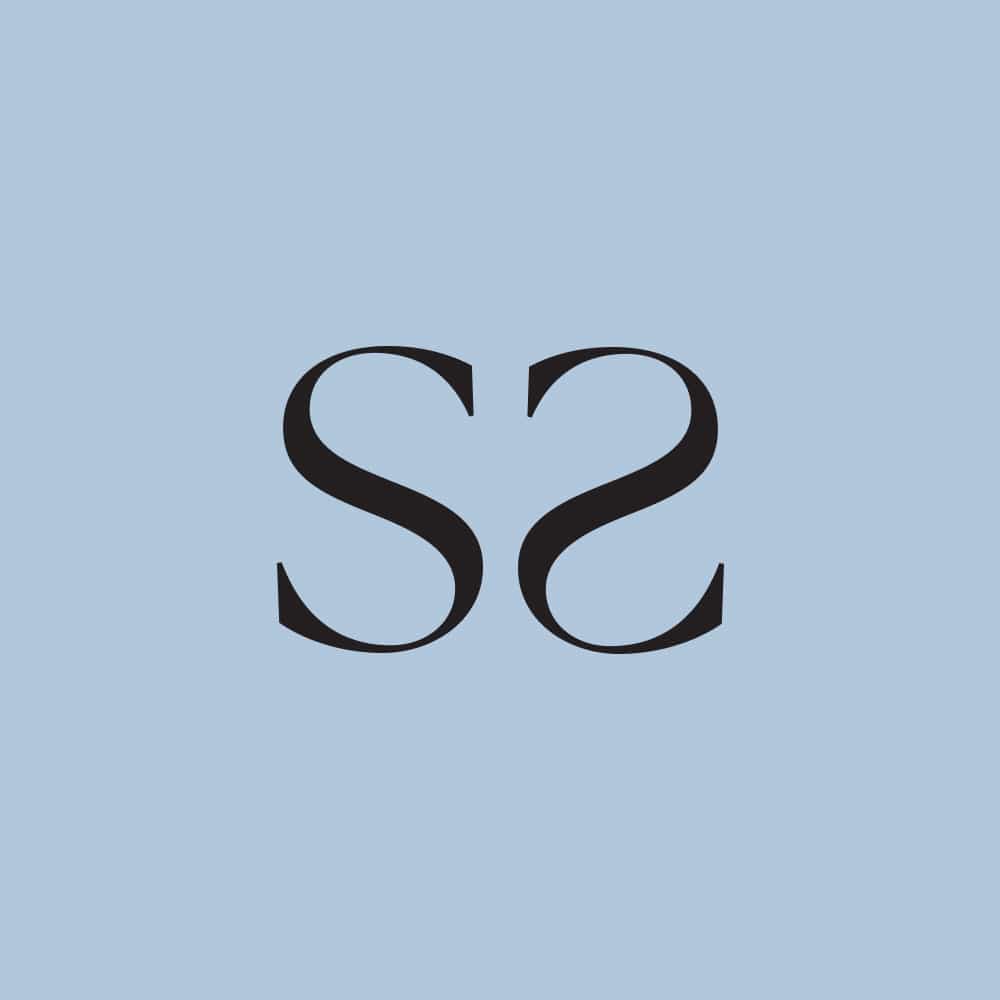
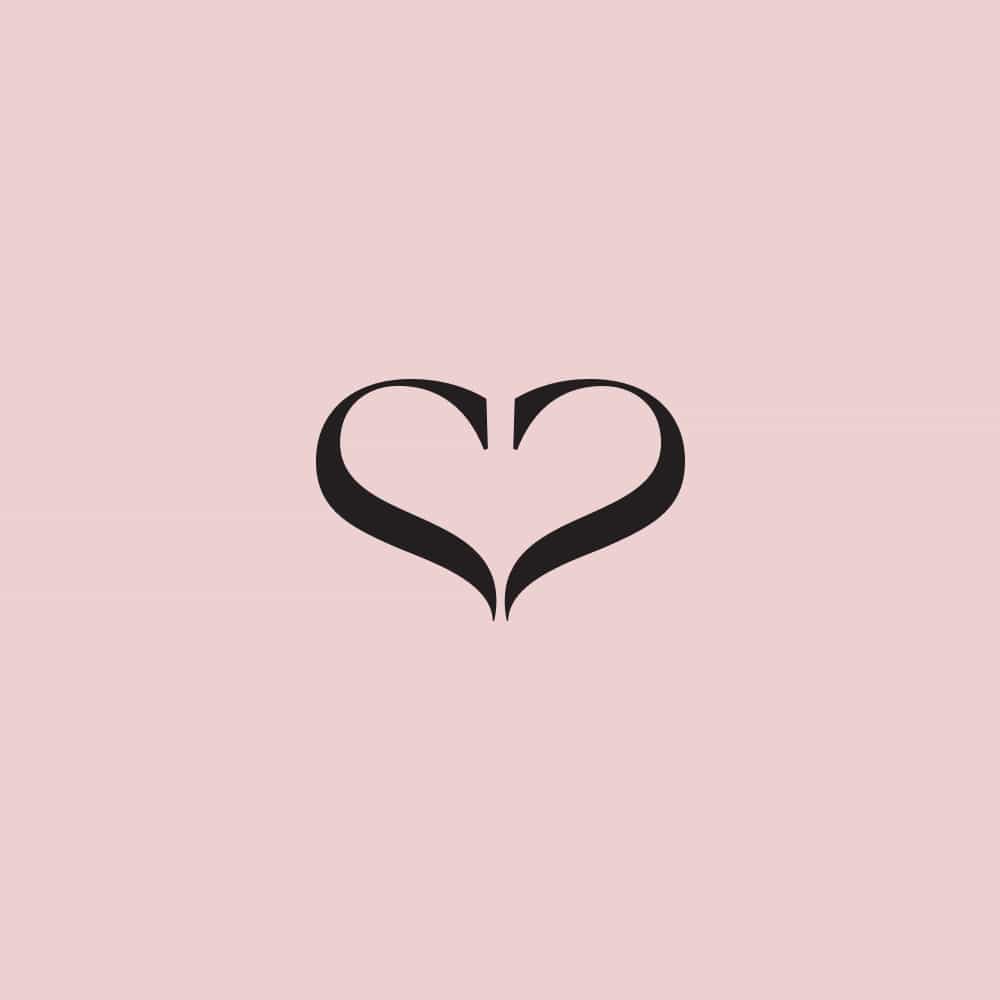
When I placed the symbol and wordmark together, they felt balanced and harmonious. The repeating “U” worked well with the repeating “S,” as if they were created for each other. They complemented one another and felt like part of the same visual family. And the client chose this option 🩵
Looking for a bold and thoughtful lettermark? Explore this brand – Greek inspired logo and brand guide for an interior design studio
Brand guide for a dessert company
Color palette
When I started elaborating the brand guide, I already had an approximate color palette in mind. While presenting the options, I could see which colors worked well for this direction.
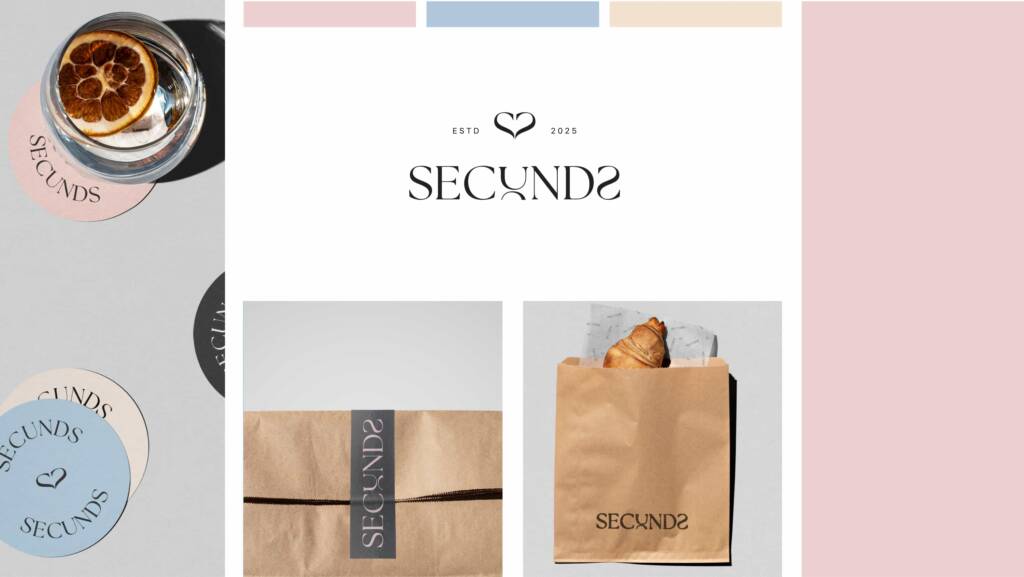
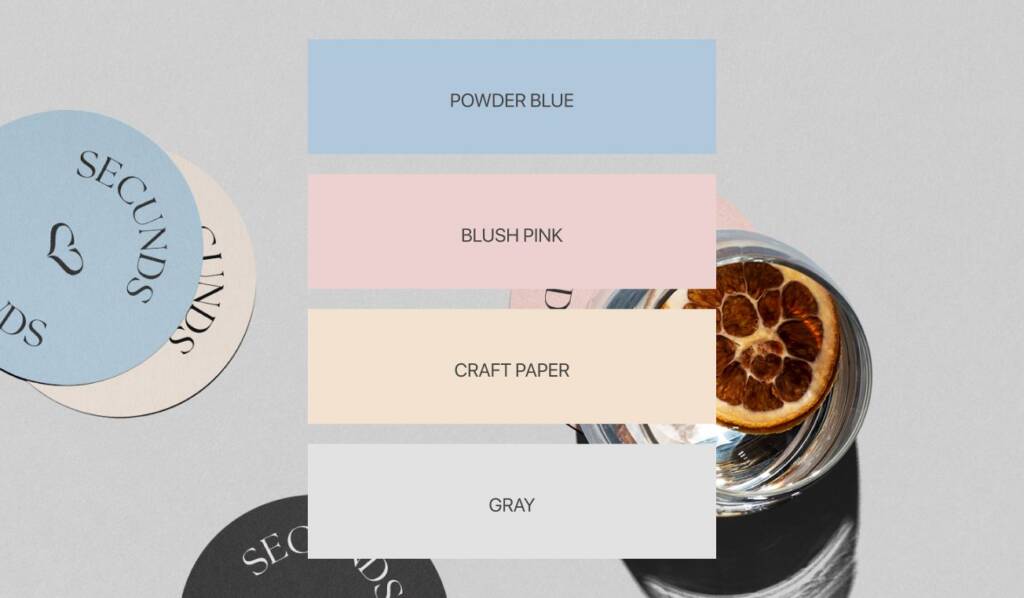
The first and most obvious color for this brand was blush pink — soft and sweet. Since the symbol has a heart-like shape, pink feels like a natural match.
Powder blue introduces a sense of relaxation and freedom. It connects to the sky and brings a light, joyful tone.
Craft paper adds warmth and an eco-friendly feel. This shade leans toward a pale, warm yellow, subtly referencing sunlight and natural elements like flowers.
Gray is intended as a base color, adding a refined and sophisticated touch.
Logo layouts
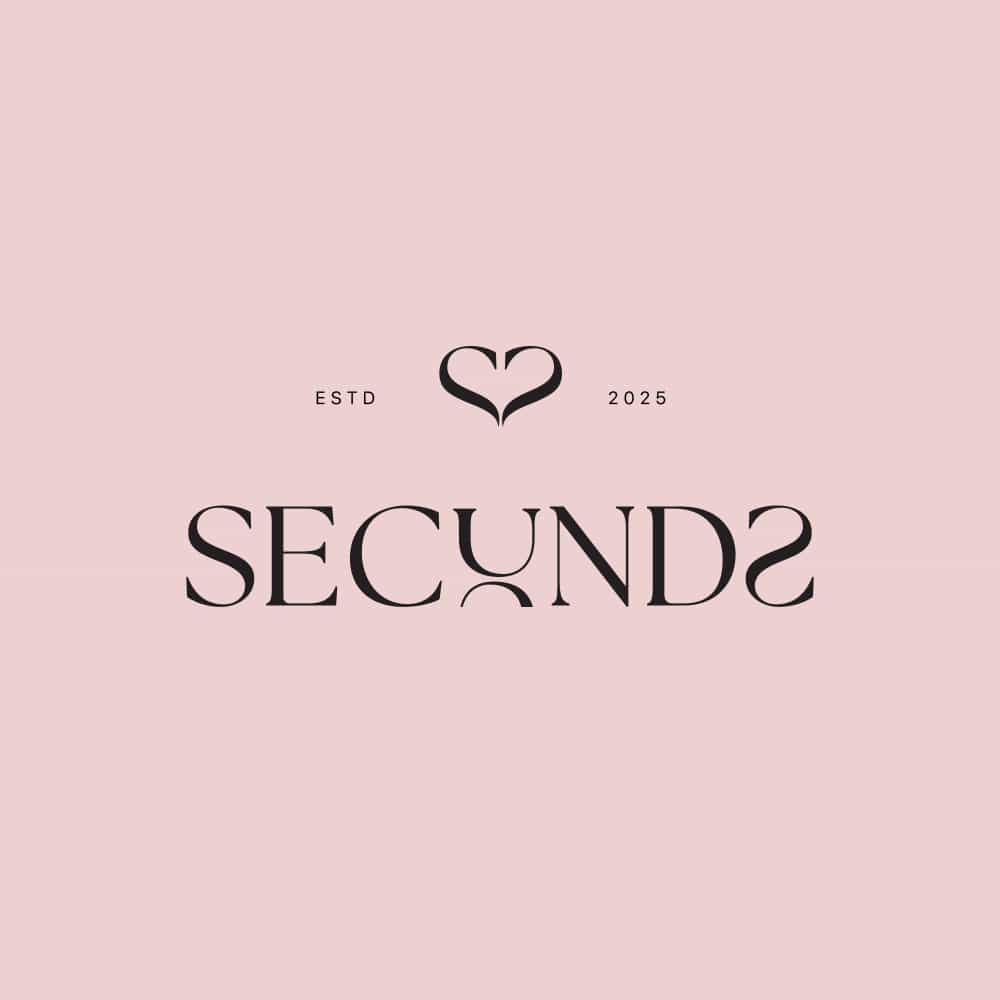
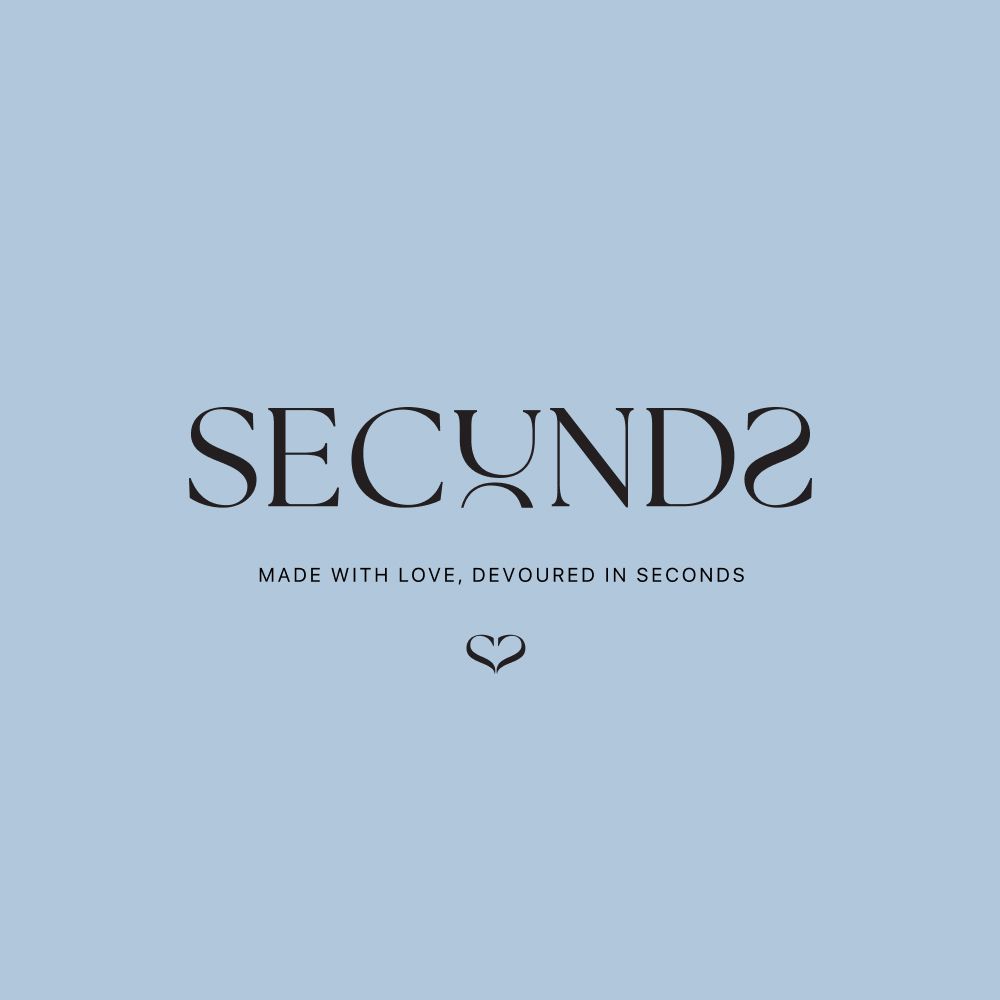
This logo consists of a wordmark and a short symbol. To build a consistent brand, it’s important to establish clear rules for logo usage. When a logo has a defined structure, it’s easy to misuse it without proper guidance, especially for non-designers.
In the brand guide I included the following layouts:
Wordmark layouts
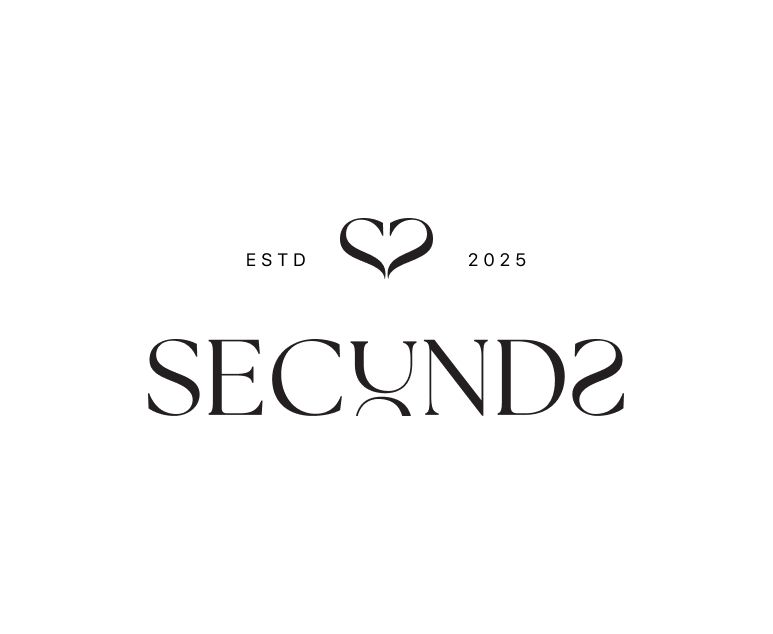
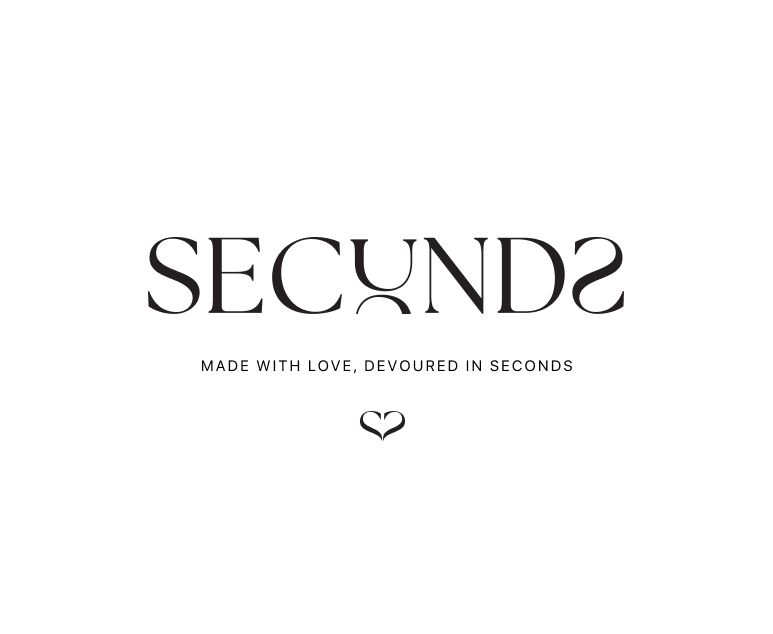
The wordmark can be used with or without a tagline, and it can also feature a heart in the center. These variations make the brand more playful, versatile, and expressive.
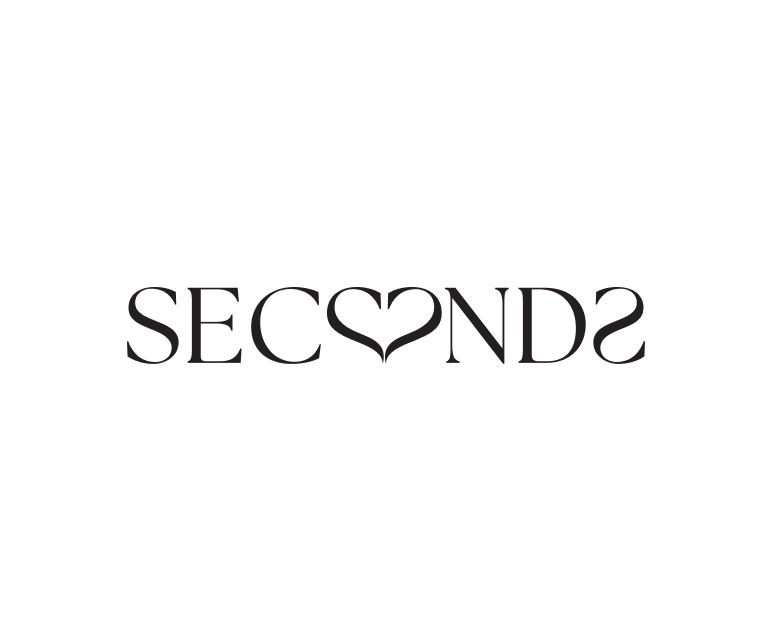
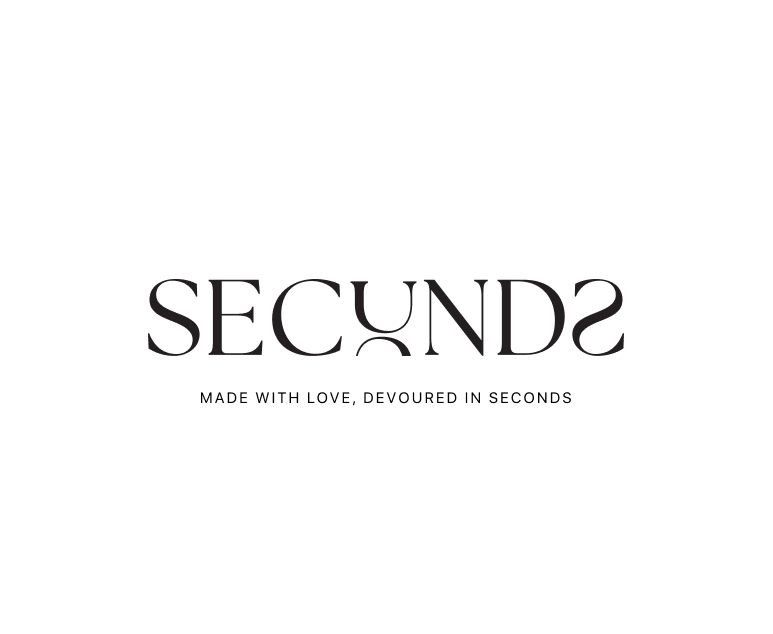
Symbol layouts
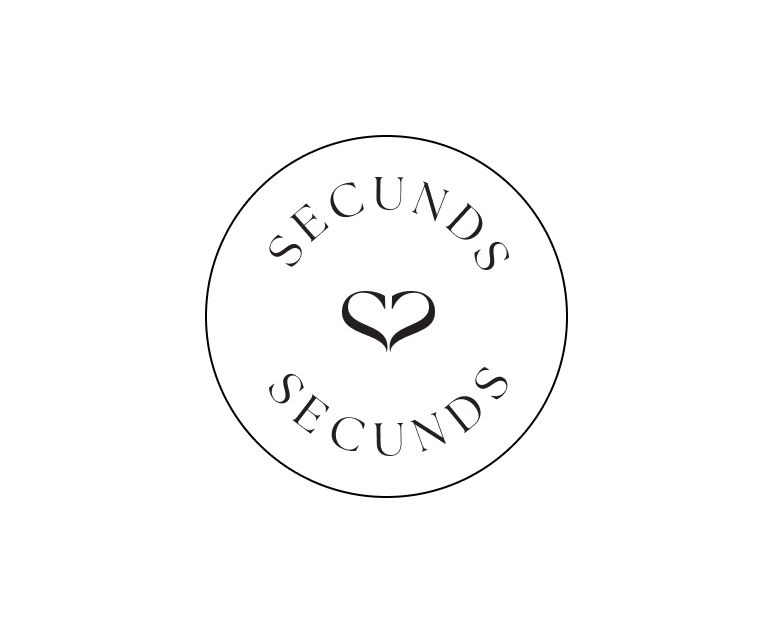
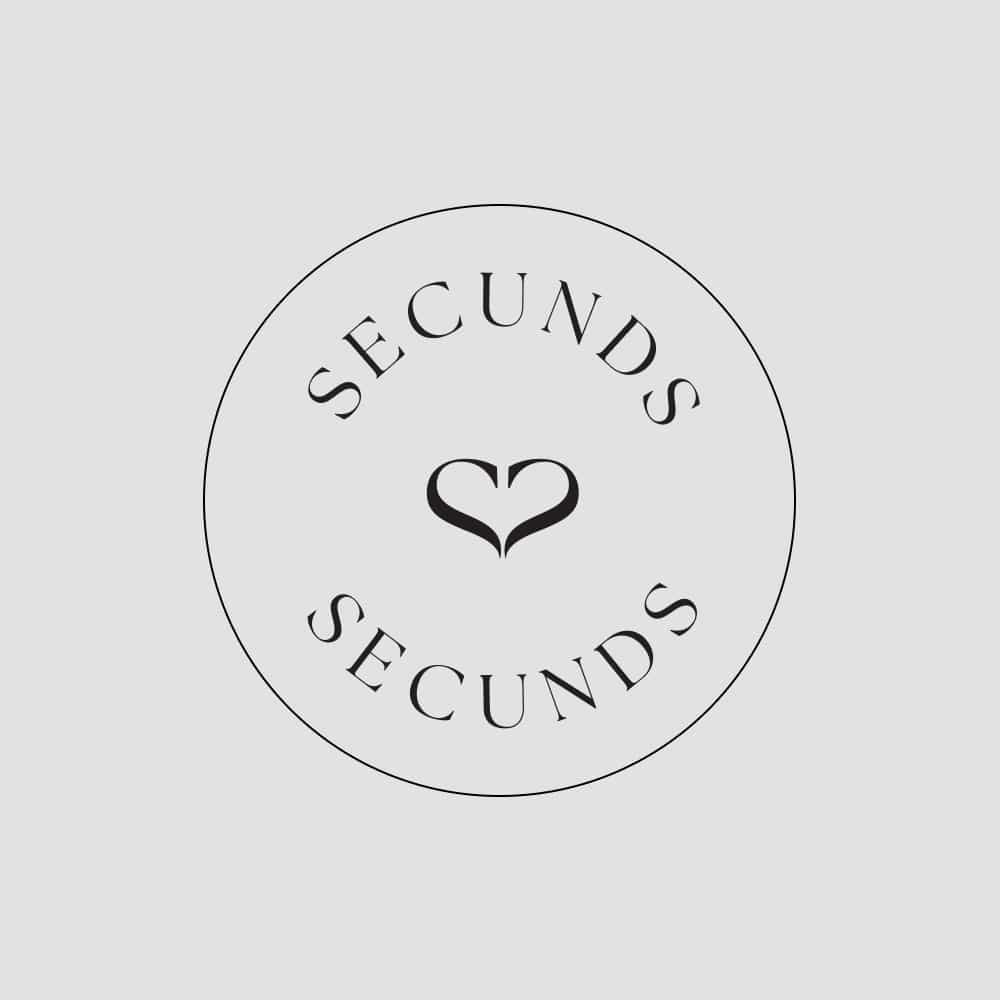
I suggested using not only the heart, but combining it with the “S” as well. This adds stronger recognition when the symbol is used on its own.
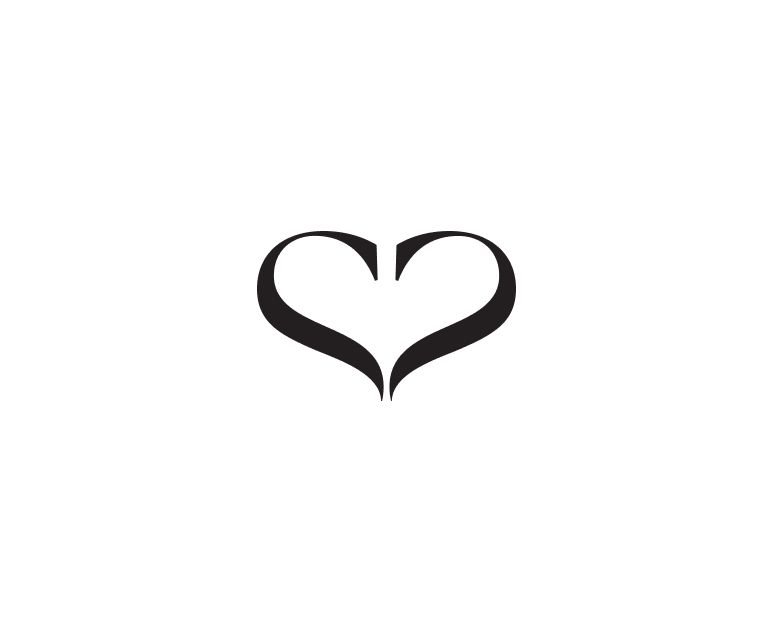
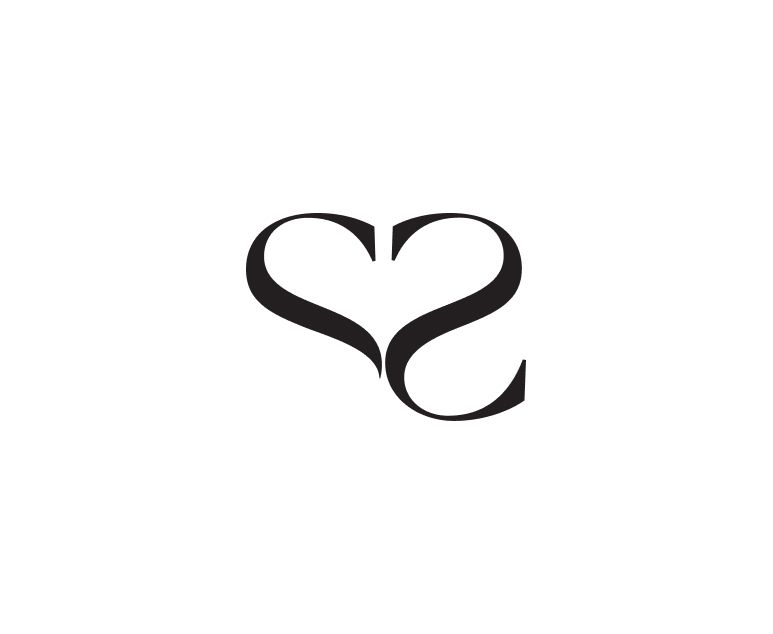
Logo layouts
The combination of the wordmark and symbol can vary. I suggested not relying on a single traditional layout, but exploring alternative approaches that can work well across different applications.
Love the vibrance? Explore this brand – Logo, branding and social media for a gifting company
Brand pattern for a dessert company
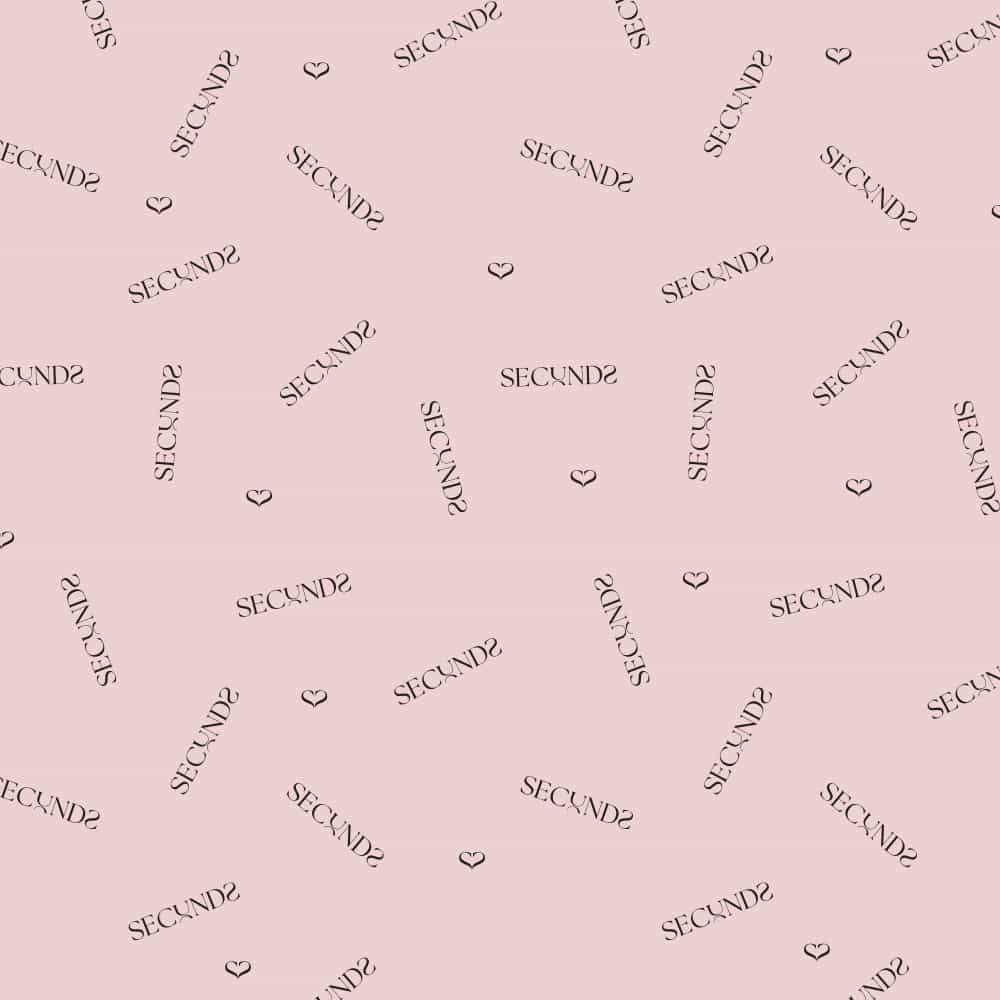
A brand pattern is a repeating visual element derived from a brand’s identity—usually built from parts of the logo, symbol, typography, or supporting shapes. It’s not decoration for its own sake; it’s a structured extension of the visual system.
In practical terms, a pattern helps solve consistency at scale. When you move beyond the logo—packaging, social posts, backgrounds, printed materials—you need something that holds the brand together visually. A pattern does that without overusing the logo.
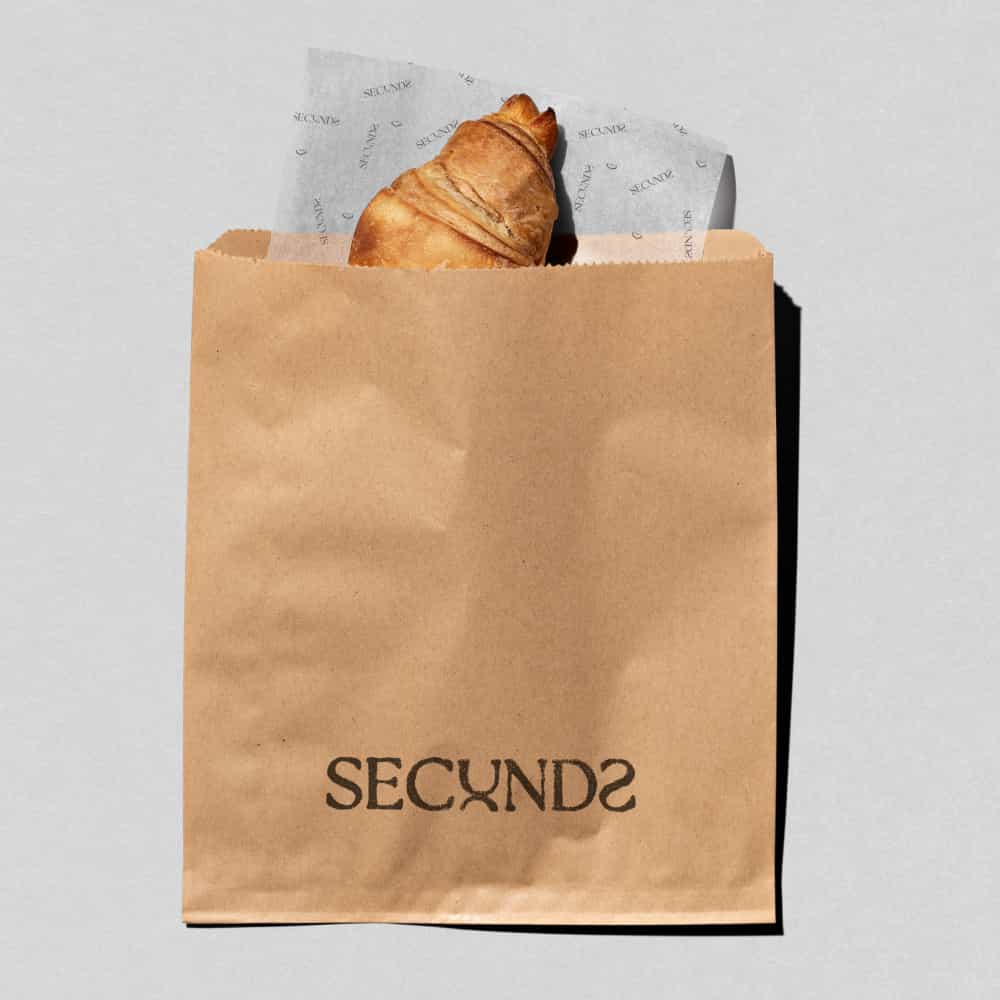
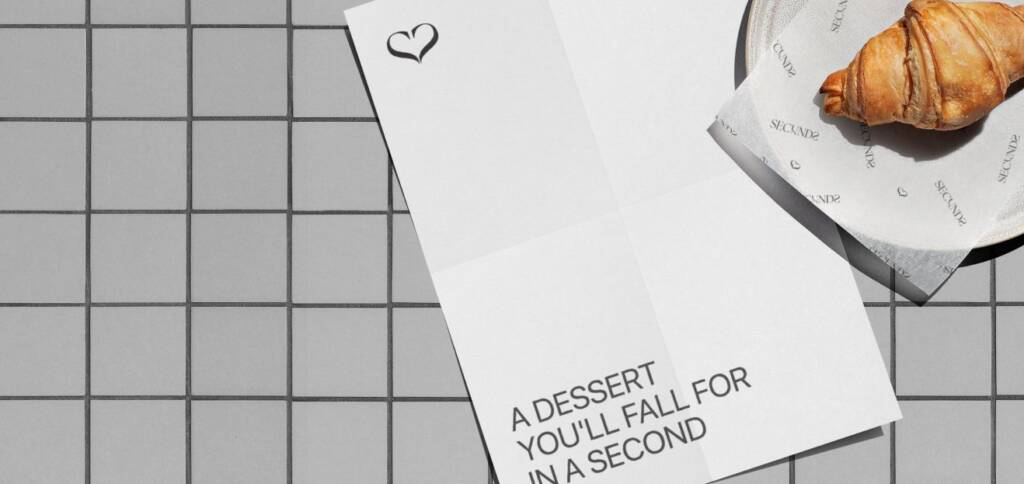
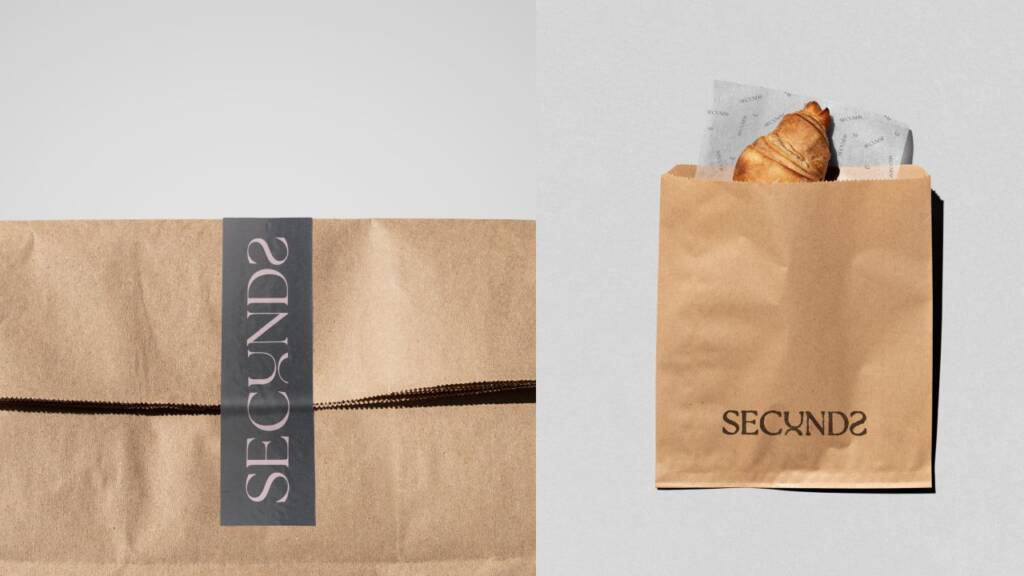
Brand visualisation for a dessert company
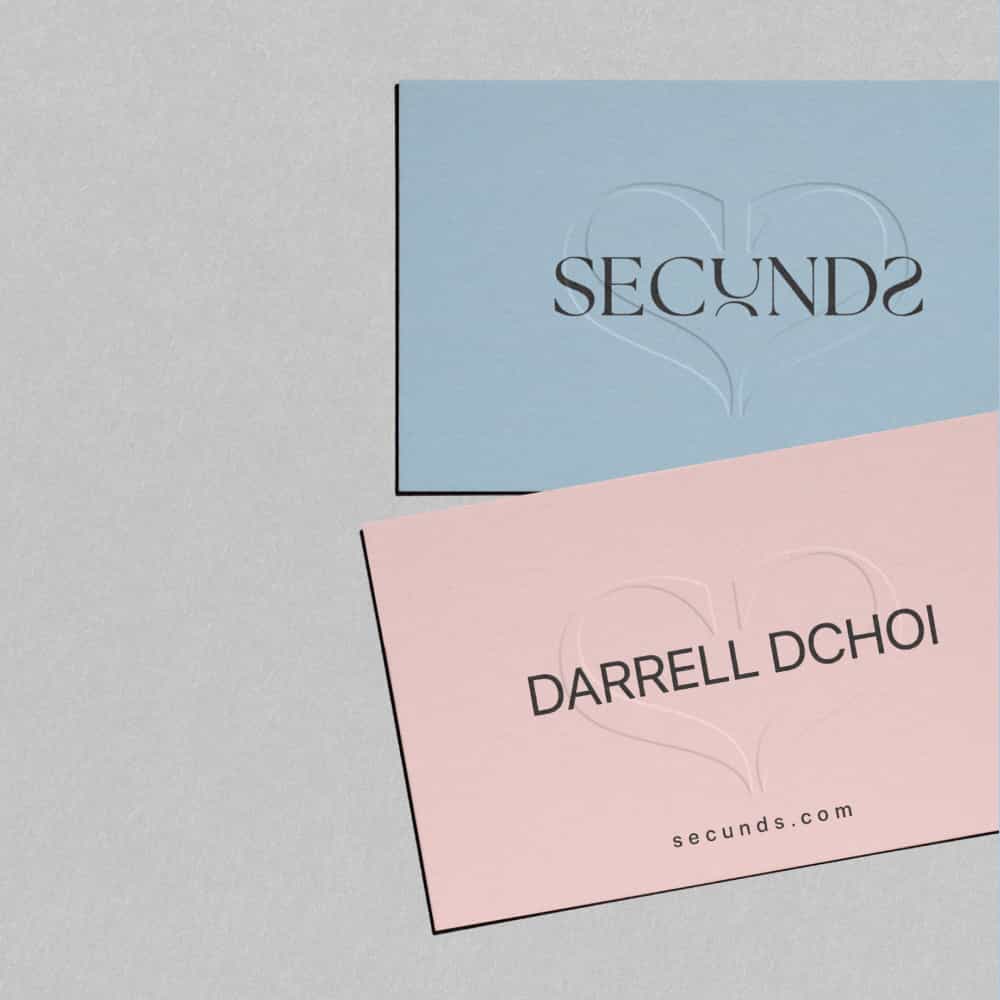
A Brand Guide helps visualize the logo and its usage, ensuring consistency across all touchpoints. It defines how the brand looks, feels, and communicates — covering color, color proportions, spacing, typography, and brand elements.
If this were only written, it wouldn’t be as effective. That’s why I also included visual usage examples, so the guidelines are not only described, but clearly demonstrated.
For more inspiration check this brand – Logo and branding for a kitchens design studio