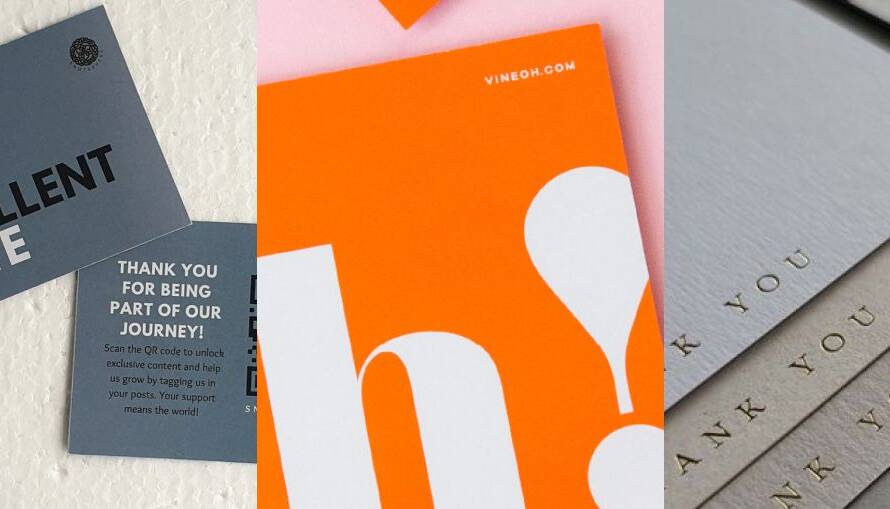
Standard business envelope dimensions are important to understand because different envelope sizes work better for different business and printing goals. Additionally, US and EU envelope standards differ, so choosing the right format depends on your location, printing requirements, and the type of material you want to place inside.
Some envelopes are designed for folded documents, while others are more suitable for invitations, brochures, certificates, greeting cards, or premium branded stationery.
In this guide, you can explore common US and EU envelope formats including DL, C5, C6, booklet, catalog and square envelopes, their dimensions, typical usage, and what kind of printed materials they fit best.
Business standard envelope dimensions
Business envelope is a standard envelope format commonly used for professional correspondence, invoices, contracts, branded stationery, and business letters. To simply explain it, it is a standard paper sheet folded in thirds.
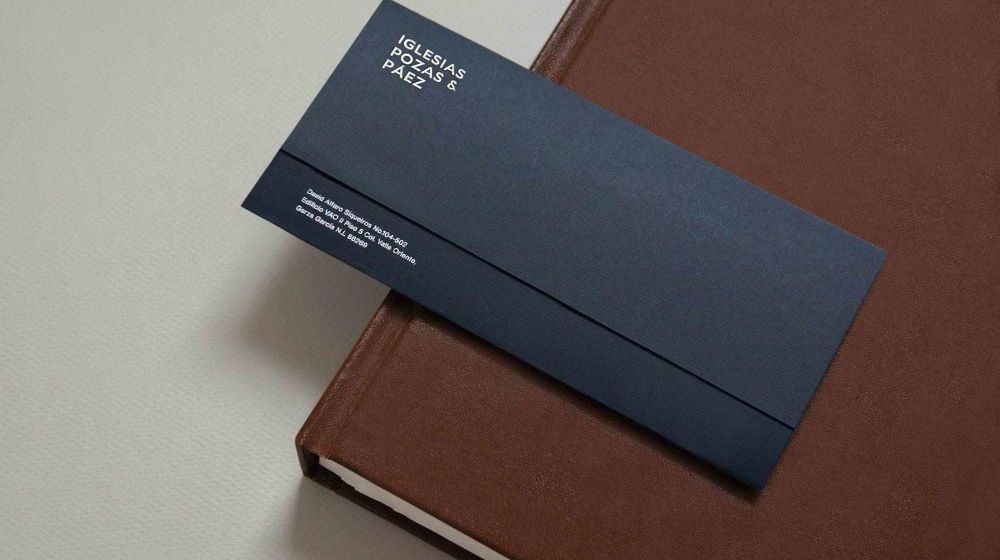
DL envelope size
In the EU, business envelope size is — 110 × 220 mm (4.33 × 8.66 inches)
#10 envelope size
In the US, the standard business envelope size is — 4.125 × 9.5 inches (104.8 × 241.3 mm)
Announcement envelope dimensions for your business
Announcement envelopes are commonly used for invitations, greeting cards, branded presentations, promotional materials, and elegant business correspondence. Their proportions create a more refined and aesthetic appearance compared to standard business envelopes, making them popular for creative and luxury-focused brands. It is a standard paper sheet folded in twice.
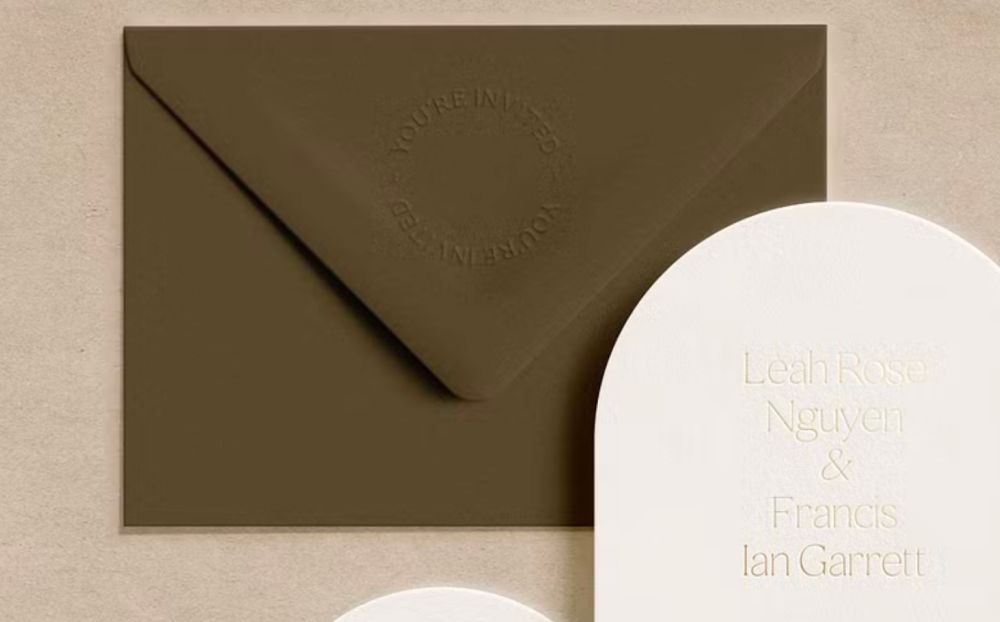
C6 envelope size
In the EU, announcement envelopes size is — 114 × 162 mm (4.49 × 6.38 inches)
A6 envelope size
In the US, their size is — 4.75 × 6.5 inches (120.7 × 165.1 mm)
Looking for an envelope design for your brand? Check this project – Elegant and timeless logo design and brand identity for a kitchen interior studio
Booklet envelope sizes for your business
Booklet envelopes are commonly used for presentations, brochures, contracts, catalogs, magazines, branded documents, and premium printed materials. Their larger format allows documents to be stored flat or folded with minimal creasing, making them a practical and professional choice for business communication and presentation packaging. It is A4 folded Once
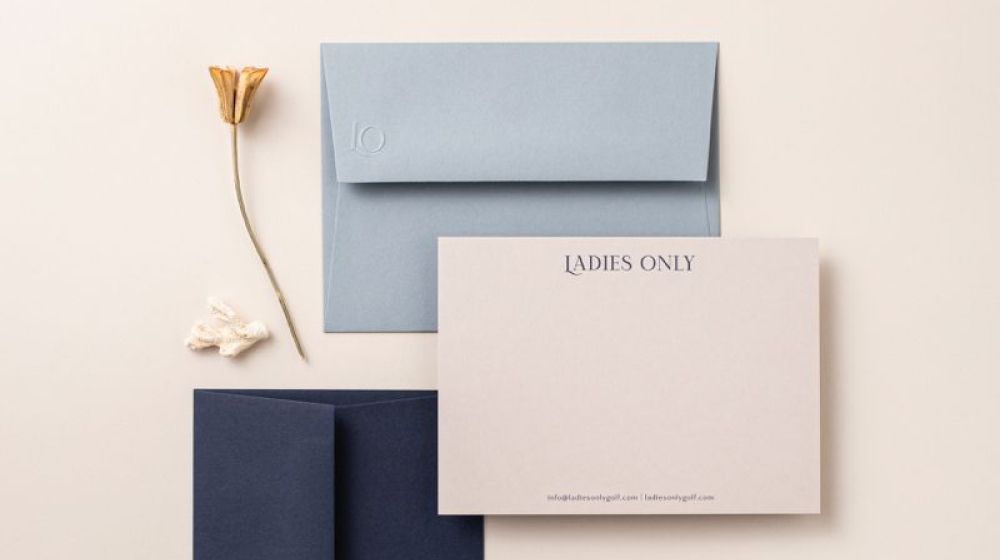
C5 envelope size
In the EU, one of the most common booklet envelope sizes is C5 — 162 × 229 mm (6.38 × 9.02 inches).
6 × 9 envelope size
In the US, one of the most common booklet envelope sizes is 6 × 9 inches (152 × 229 mm)
Square envelope sizes for your business
Square envelopes are commonly used for invitations, greeting cards, luxury branding, creative packaging, event stationery, and premium business presentations. Their symmetrical format creates a refined and visually distinctive appearance, helping printed materials feel more elegant, modern, and memorable.
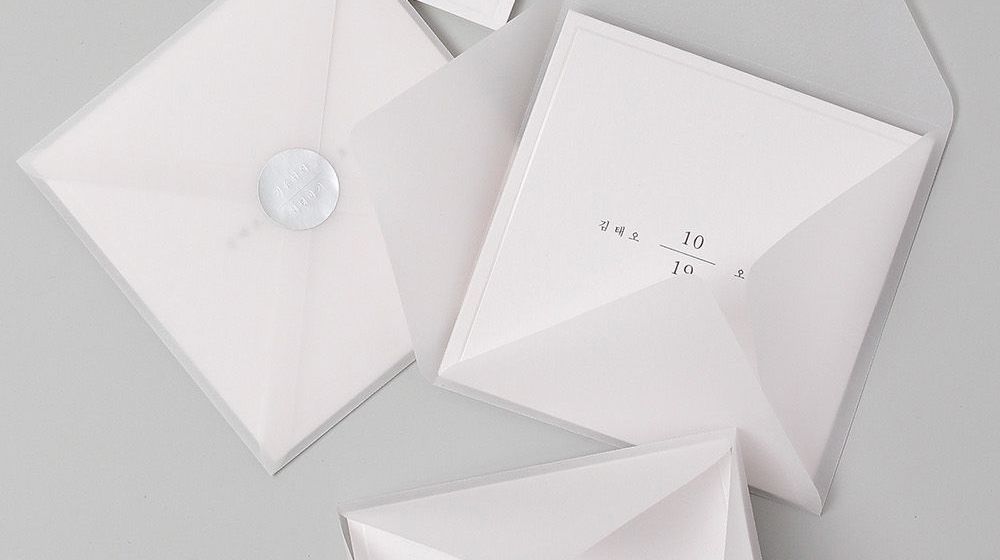
In the EU, common square envelope formats include 155 × 155 mm (6.1 × 6.1 inches) and 170 × 170 mm (6.69 × 6.69 inches)
In the US, popular square envelope sizes include 6 × 6 inches (152.4 × 152.4 mm) and 8 × 8 inches (203.2 × 203.2 mm)
Catalog envelope sizes for your business
Catalog envelopes are commonly used for large documents, reports, magazines, catalogs, presentations, legal papers, and business materials that should remain flat without folding. Their vertical format provides additional space and protection for professional document delivery and branded print communication. It is designed to fit a standard paper sheet without folding.
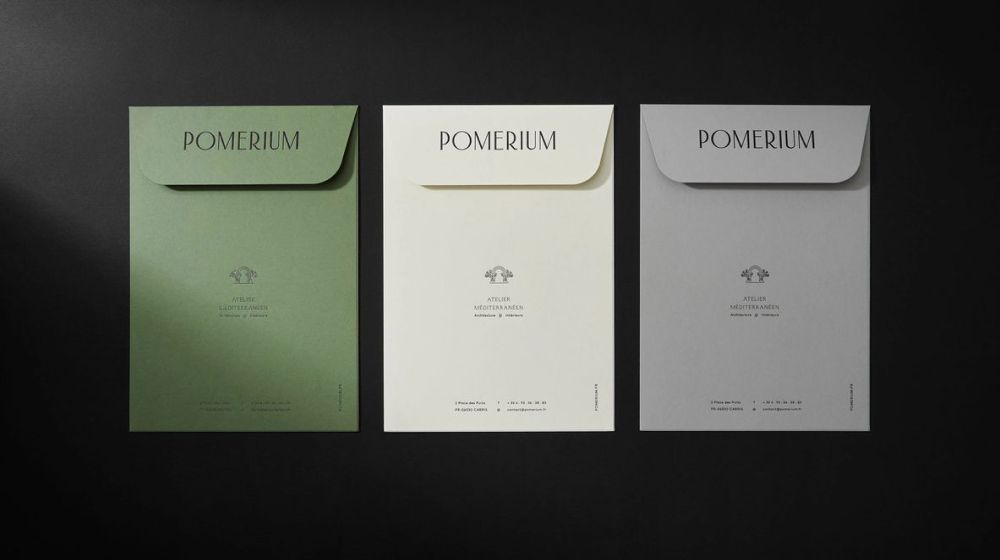
C4 envelope size
In the EU, common catalog envelope formats include C4 size — 229 × 324 mm (9.02 × 12.76 inches)
9 × 12 and 10 × 13 envelope sizes
In the US, popular catalog envelope sizes include 9 × 12 inches (228.6 × 304.8 mm) and 10 × 13 inches (254 × 330.2 mm)
To summarise, the standard envelope dimensions are the following:
Europe (EU)
| Envelope Type | Dimensions (mm) | Dimensions (inch) | Common Usage |
| DL Envelope | 110 × 220 mm | 4.33 × 8.66 inches | Business letters, folded A4 sheets |
| C5 Envelope | 162 × 229 mm | 6.38 × 9.02 inches | Booklets, brochures, unfolded A5 documents |
| C6 Envelope | 114 × 162 mm | 4.49 × 6.38 inches | Invitations, greeting cards, postcards |
| Square Envelope | 155 × 155 mm | 6.38 × 9.02 inches | Creative branding and luxury invitations |
| C4 Envelope | 229 × 324 mm | 9.02 × 12.76 inches | Large documents and printed materials |
United States (US)
| Envelope Type | Dimensions (mm) | Dimensions (inch) | Common Usage |
| #10 Envelope | 104.8 × 241.3 mm | 4.125 × 9.5 inches | Standard business correspondence |
| 6 × 9 Envelope | 152 × 229 mm | 6 × 9 inches | Catalogs, presentations, booklets |
| A6 Envelope | 120.7 × 165.1 mm | 4.75 × 6.5 inches | Invitations and event stationery |
| Square Envelope 1 | 152.4 × 152.4 mm | 6 × 6 inches | Creative branding and luxury invitations |
| Square Envelope 2 | 203.2 × 203.2 mm | 8 × 8 inches | |
| 9 × 12 Envelope | 228.6 × 304.8 mm | 9 × 12 inches | Large documents and printed materials |
| 10 × 13 Envelope | 254 × 330.2 mm | 10 × 13 inches |
Want more information about envelopes?
The first real envelopes appeared in the early 1800s because mail became widespread, and paper letters needed protection. The form was simple: a rectangular sheet that was folded and glued.
US and EU envelope sizes are different because the paper standards developed separately in different regions. European envelope formats are based on the ISO paper system, including A4, A5, and A6 sizes, which are designed to scale proportionally when folded.
In the US, envelope sizes evolved independently around inch-based paper formats such as Letter size (8.5 × 11 inches). Because of this, envelope dimensions like #10, 9 × 12, and A7 do not directly match EU standards such as DL, C5, or C6.
Today, both systems remain widely used, so when preparing printed materials, stationery, or branded correspondence, it is important to choose envelope dimensions based on the country and printing standards you work with.
Some envelope sizes are considered more suitable for premium stationery because proportions and presentation strongly influence the overall visual perception of a brand.
Oversized, thick, booklet, or square envelopes often create a more elegant and luxurious impression compared to standard business formats. They provide more space for textured paper, premium printing techniques, embossed details, ribbons, inserts, or carefully arranged printed materials.
Premium brands also frequently use custom envelope dimensions to create a more memorable unboxing and communication experience. The envelope becomes part of the brand identity itself rather than simply protective packaging.
At the same time, standard envelope sizes remain important for practical business correspondence, so luxury brands often balance aesthetics with printing and mailing efficiency.
The best envelope materials depend on the purpose, printing method, and overall brand aesthetic.
For standard business correspondence, uncoated paper is one of the most common choices because it is affordable, practical, and easy to print on. Smooth matte papers are often used for professional stationery because they create a clean and refined appearance.
Premium brands frequently choose thicker textured papers, cotton paper, soft-touch finishes, or recycled materials to create a more luxurious and tactile experience. Kraft paper is also popular for organic, handmade, or eco-focused branding.
When selecting envelope materials, it is important to consider durability, printing compatibility, postage requirements, and how the material supports the overall visual identity of the brand.