

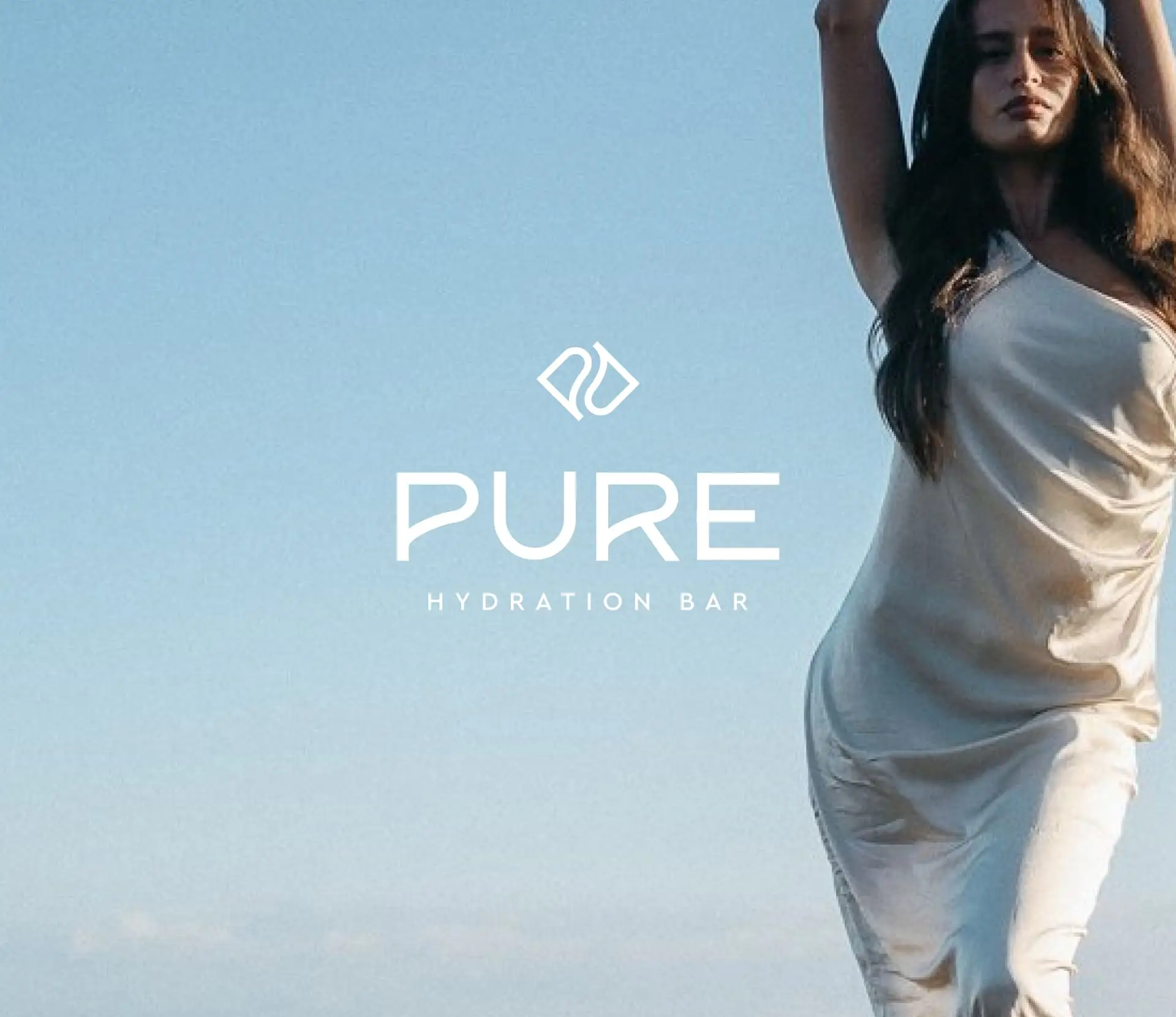

I was approached by an independent aesthetic specialist to create a clean, professional logo for her med spa. She wasn’t sure what she was looking for. When I start a project, I send a short questionnaire to understand the target audience and the business story. It’s always helpful—even when a client doesn’t have a clear vision for the visual side of their brand.
Logo design process for a hydration med spa
Brand, logo name and the letterforms
When I create logos, I most often start by analyzing the meaning of the name and the overall letterforms. This initial data helps me understand potential logo layouts and come up with ideas for the design. The first thing I noticed was the meaning behind the brand — it’s a hydration service. It suggested focusing on the core idea of the business: water as its defining feature.
Water logo concept for a hydration med spa
From a logo design perspective, the water concept has inherent visual forms and associations. When you think of water, you see waves, soft curves, and droplets. This led to the idea of using smooth, curved lines in the logo, the wordmark, or both.
Letterforms and logo layout
The brand name includes the words “Pure Hydration Bar”, and I needed to determine which letters to use if I built the logo from initials — PGB, PG, or just P. I realized this was a space for experimentation, and each combination had its own logic. So I used these three directions as a foundation for creating versatile logo options for the client.
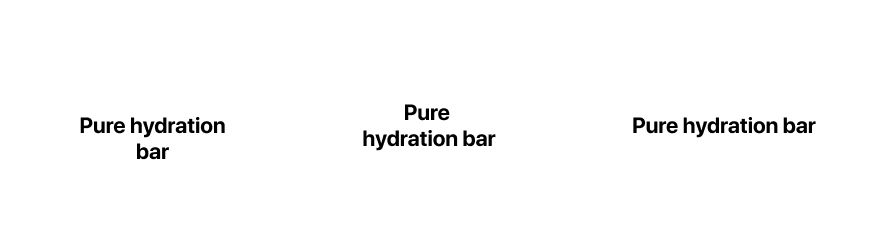
Concept – PURE as the main focus
If I take “PURE” as the main focus, the word feels too short in relation to the tagline “Hydration Bar”. I addressed this by using a wider typeface. This approach led to the idea of applying curved lines to the “P” and “R”, resembling the flow of water.
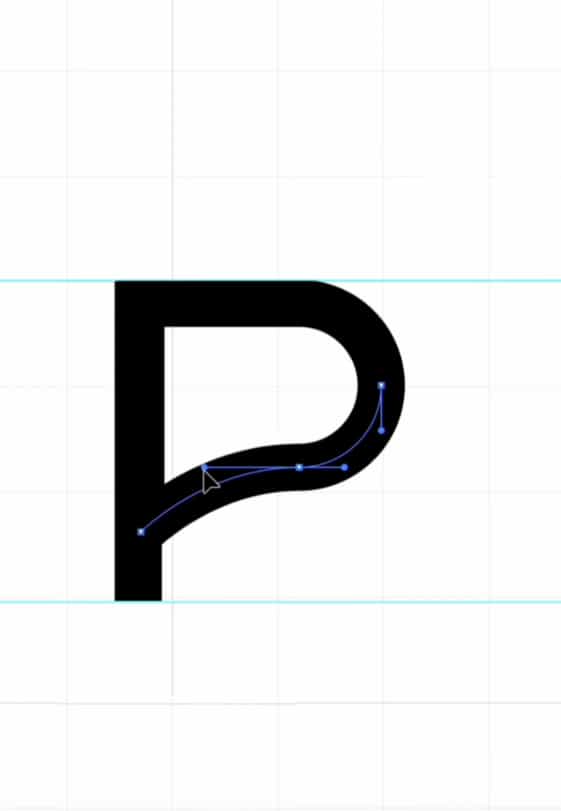
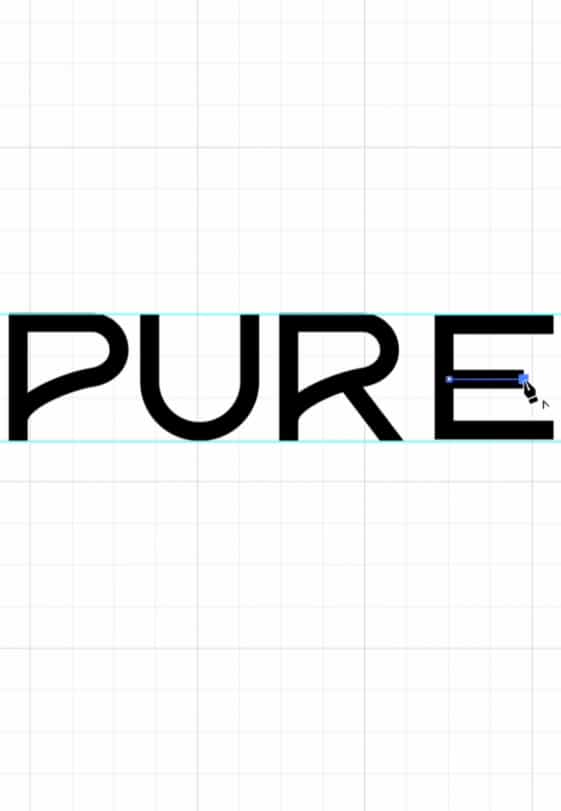
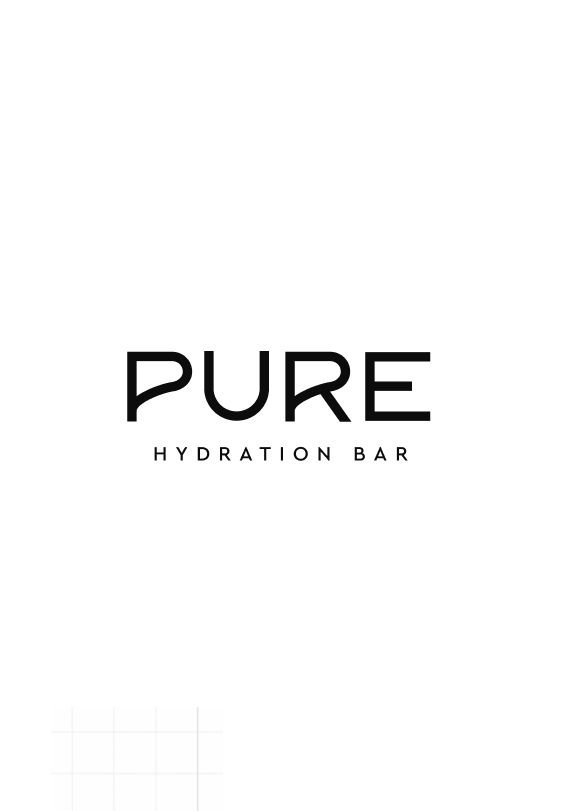
Symbol development for a hydration med spa
After creating versatile wordmarks and letter layouts for the logo options, I moved on to developing symbols. Letterforms often play a decisive role in choosing a logo, as they visually indicate what works best with the overall shape.
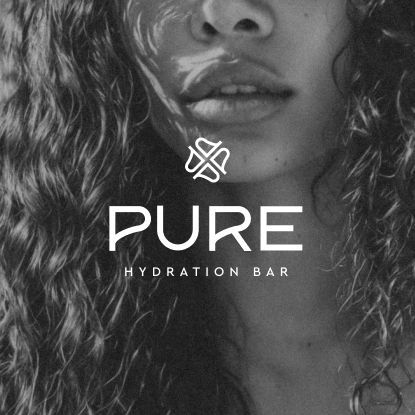
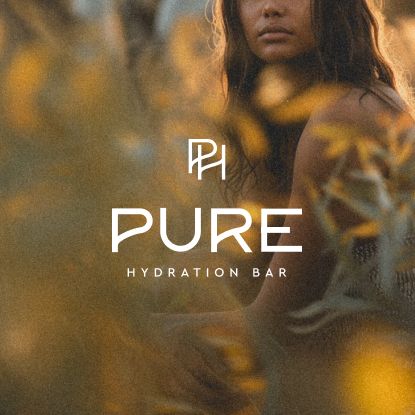
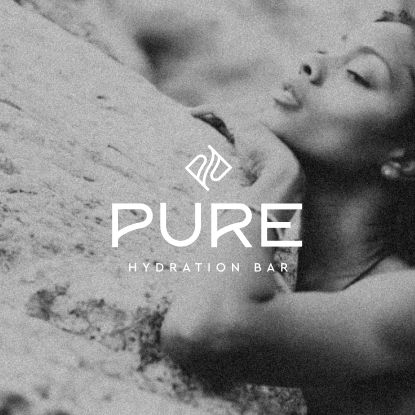
I was particularly drawn to the letter “P”, and in one direction I wanted to incorporate it into the symbol. I liked how it resembled the outline of a water droplet. I also experimented with adding the letter “H” to merge the initials.
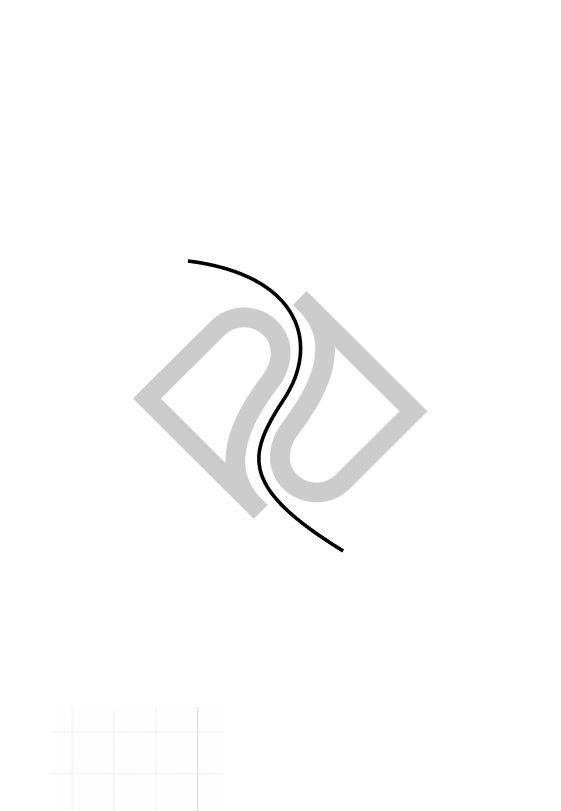
For one of the options, I noticed that the combination of “P” letters creates a waterline — and this was the option the client loved.
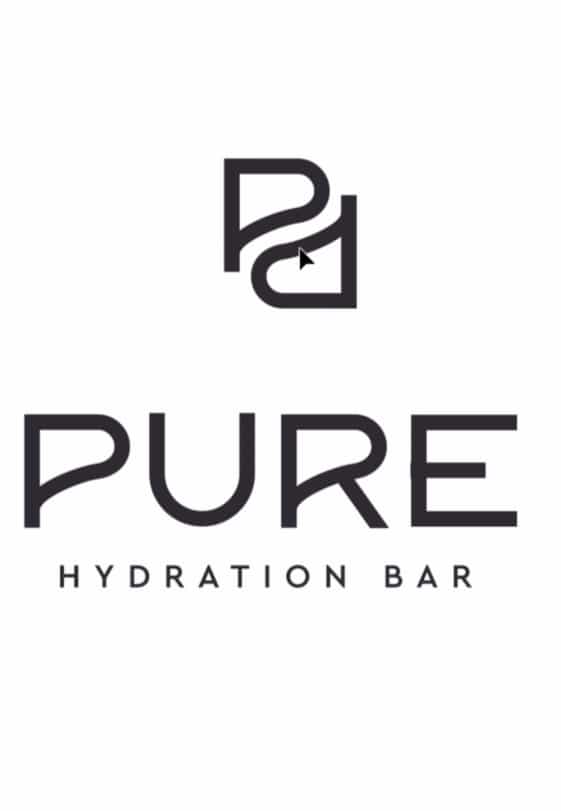
This approach feels calm and soft. Take a look at another brand that is bold and authoritative – Clean, clever and creative logo and branding for a building company
Brand guide for a hydration med spa
Logo layouts
The logo includes a strong wordmark and a symbol, so it’s important to understand how to use them — separately or together, and in which context. I explored all key variations: vertical and horizontal layouts, with and without taglines, as well as circular, overlapping, and square formats. This approach allows the brand to use versatile layouts across different applications while staying consistent yet flexible.
Color palettes for a hydration med spa
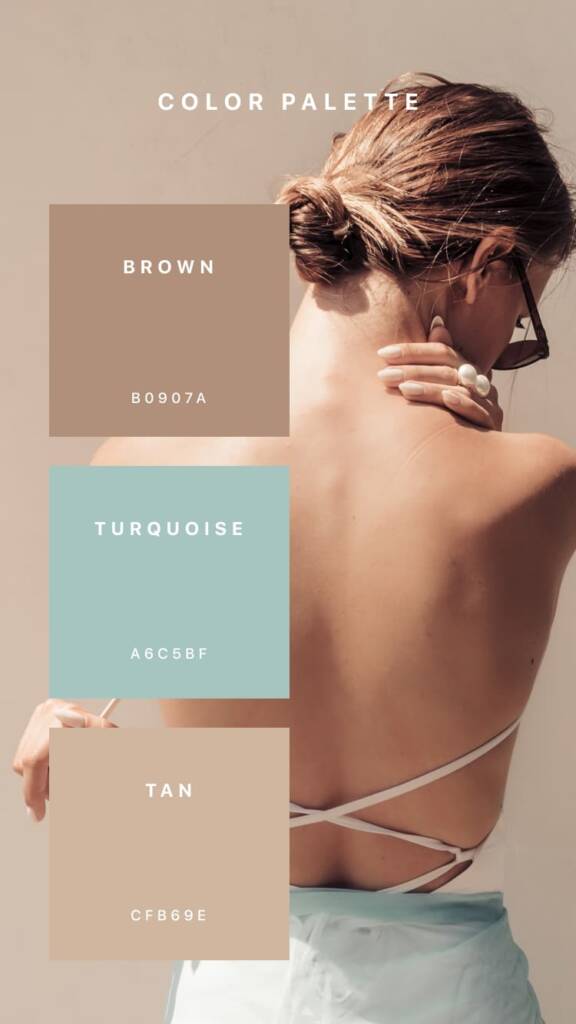
Another important step is exploring color. Color creates an immediate emotional response—different hues trigger different associations. This emotional layer sets the tone of the brand within seconds. Color also builds recognition: consistent use of a defined palette allows people to identify a brand quickly, even without a logo. Over time, color becomes a shortcut for memory.
When choosing the colors, I based them on the brand’s concept. Blue reflects water, while tan references the natural tone of the body—creating a connection that suggests hydration comes from within.
Color proportion
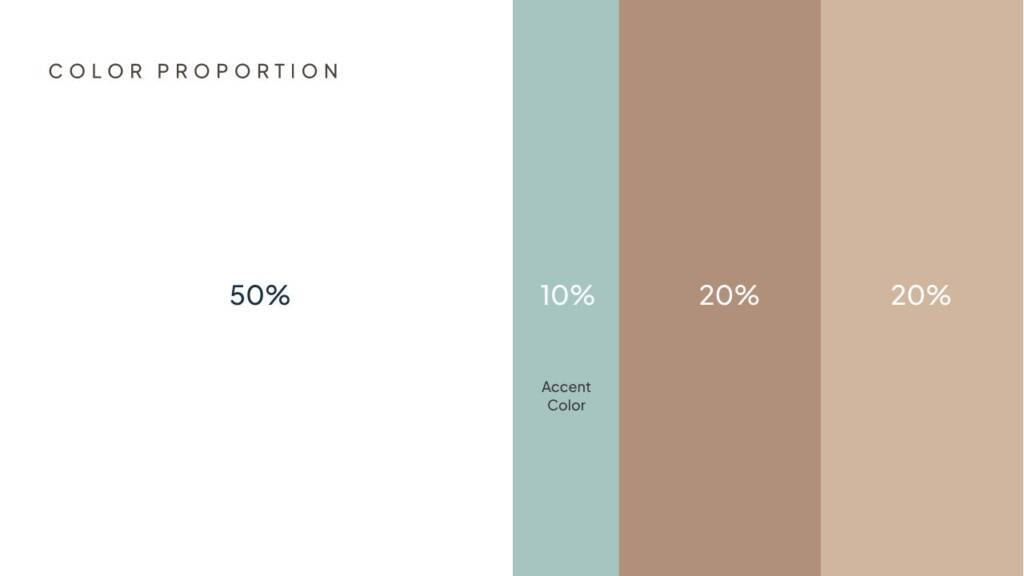
Color proportion means how much each color is used within a design or brand system.
It defines the visual balance between main colors. For example, one color may dominate (backgrounds, large areas), another supports (text, secondary elements), and a third is used sparingly to draw attention (buttons, highlights). In branding, color proportion ensures consistency and control. Even with a strong palette, the brand can feel chaotic if proportions are not defined. With clear proportions, the brand stays recognizable across different layouts while still feeling dynamic.
Looking for a skincare brand? Take a look at this cosmetics brand project – Handwritten “G” letter logo design for a cosmetics company
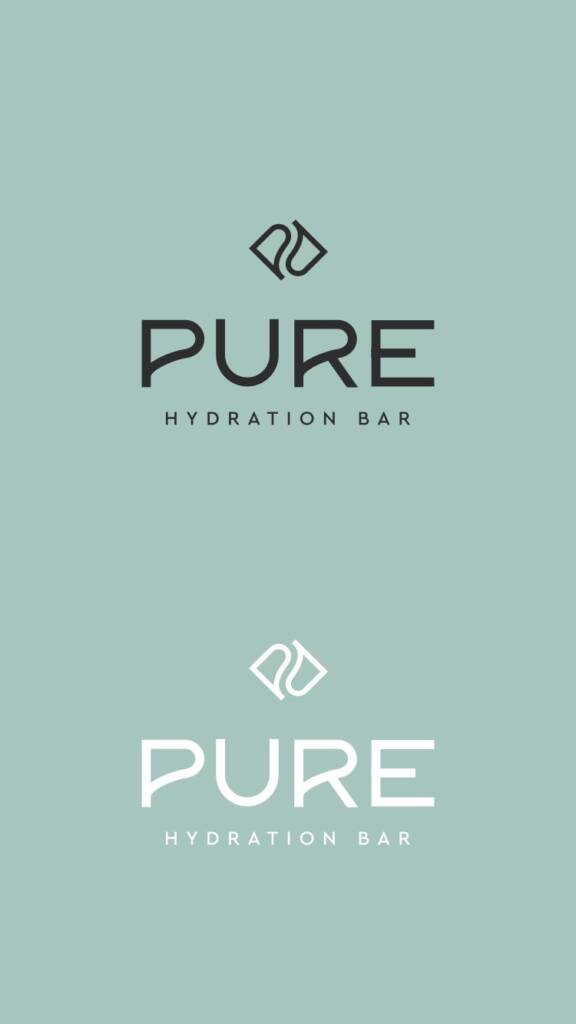
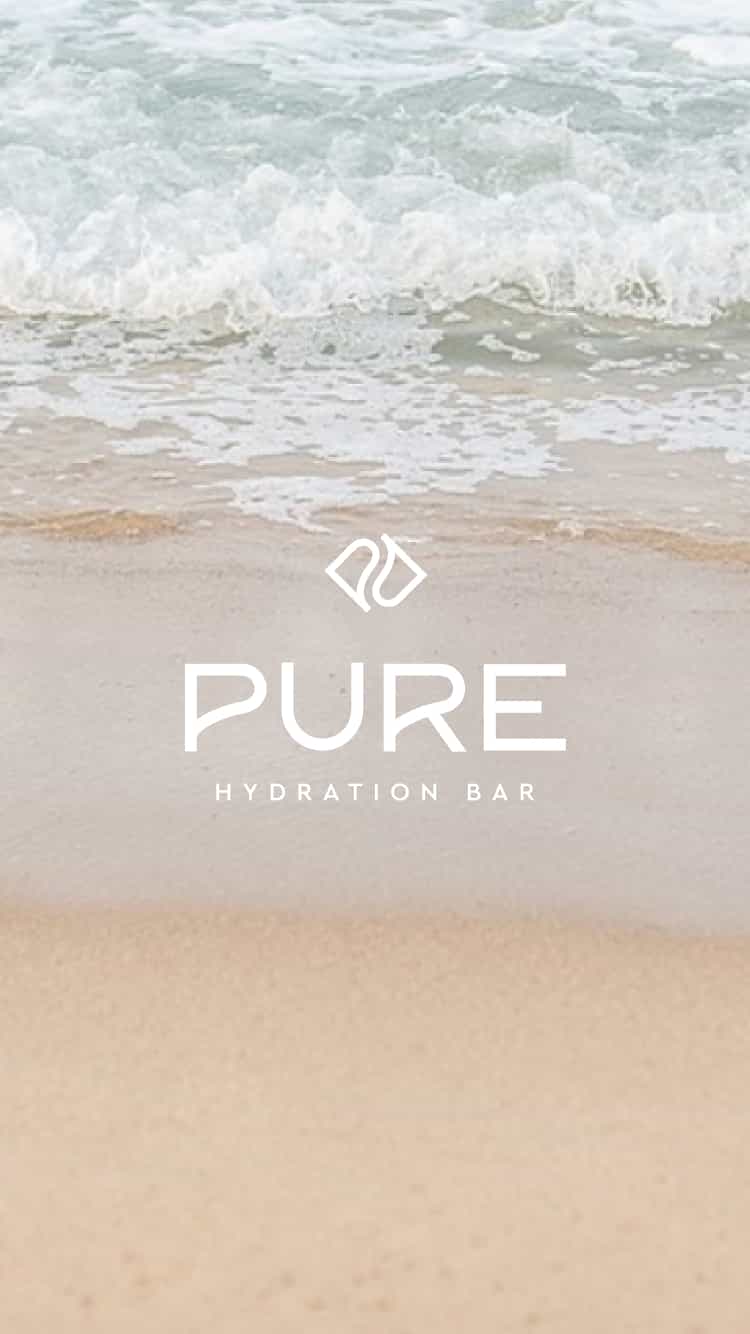
Logo visibility across color backgrounds
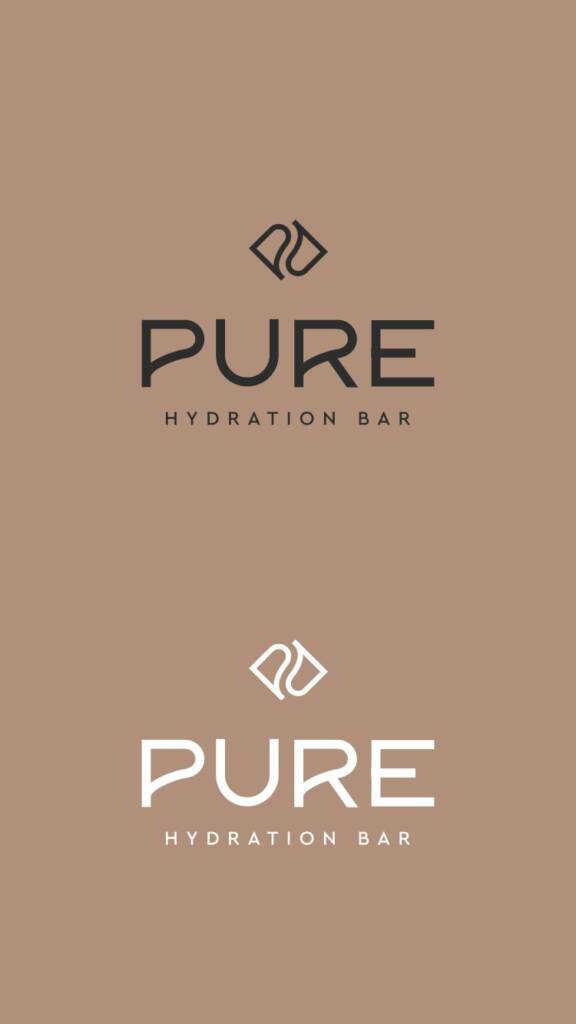
Creating a brand it’s important to ensure the logo remains clear, readable, and recognizable in any context. First, logos are rarely used on a single background. They appear on websites, packaging, social media, ads, and print materials—each with different colors. If visibility isn’t tested, the logo can lose contrast and become hard to read.
Brand mockups and visualisation
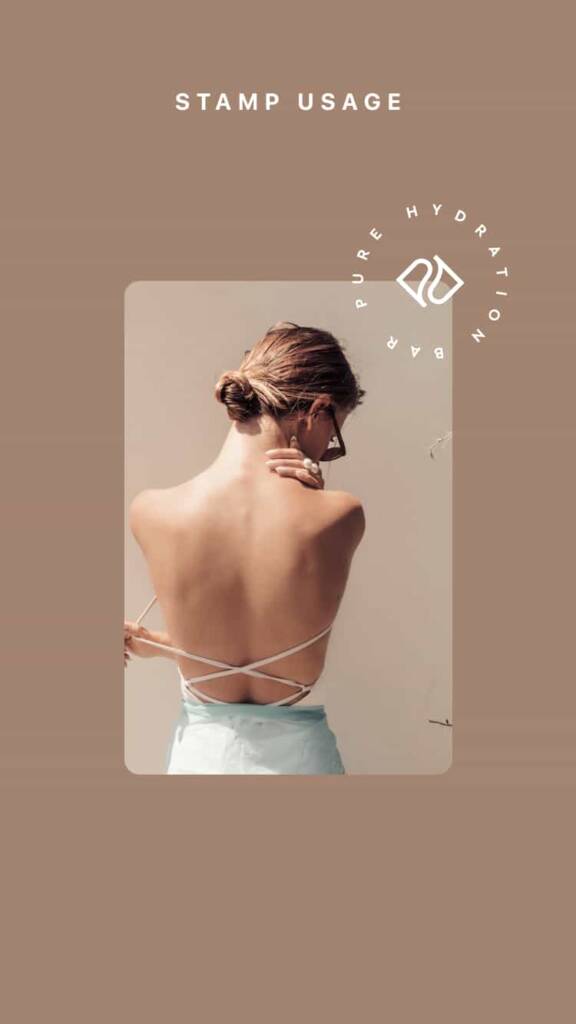
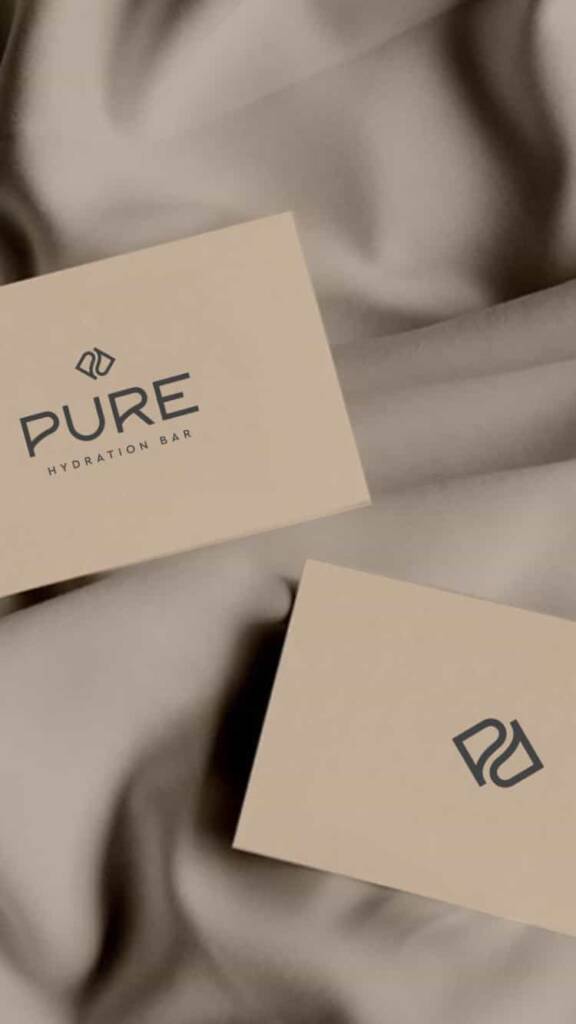
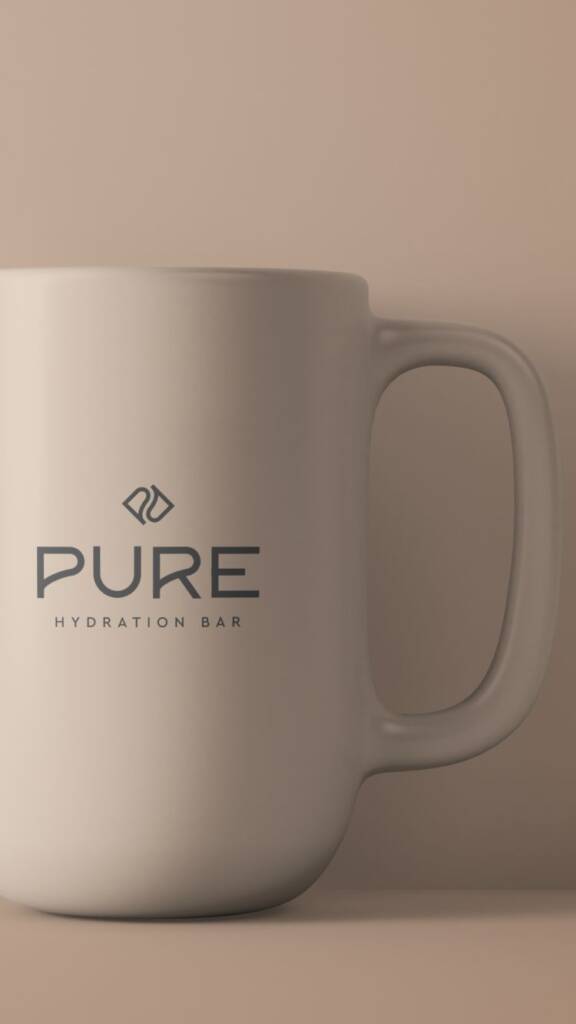
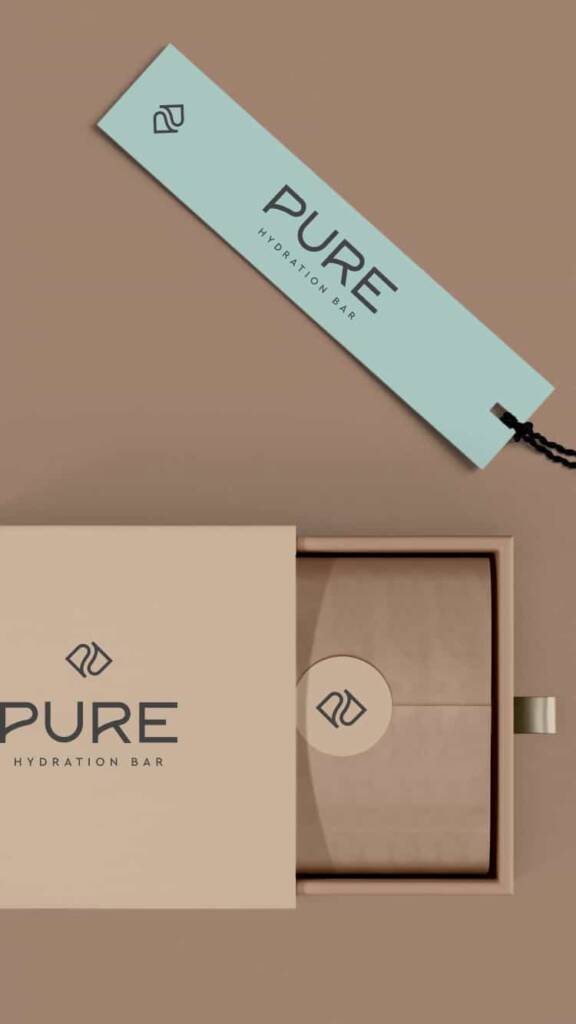
Once the main color work was completed, I finalized the brand guide by adding mockups. I always consider which items the client is most likely to use. In this case, I knew the brand would extend across social media, web design, and stationery, as well as gift items, branded apparel, and the physical space of the service (such as the interior or treatment room). Creating these visualizations not only demonstrates how the brand can be used, but also serves as a starting point for identifying the real items the client will need to produce.
Brand Typography
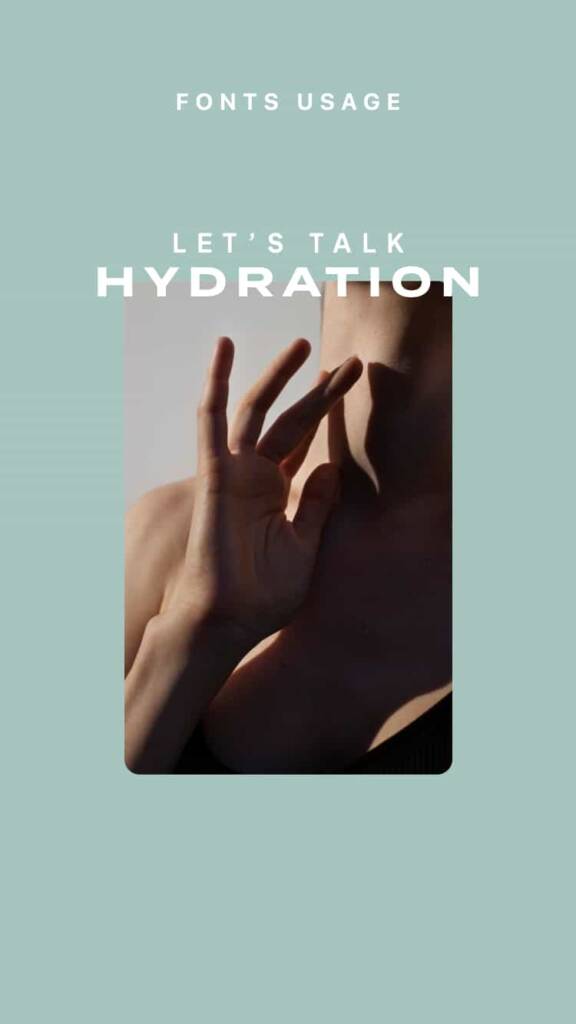
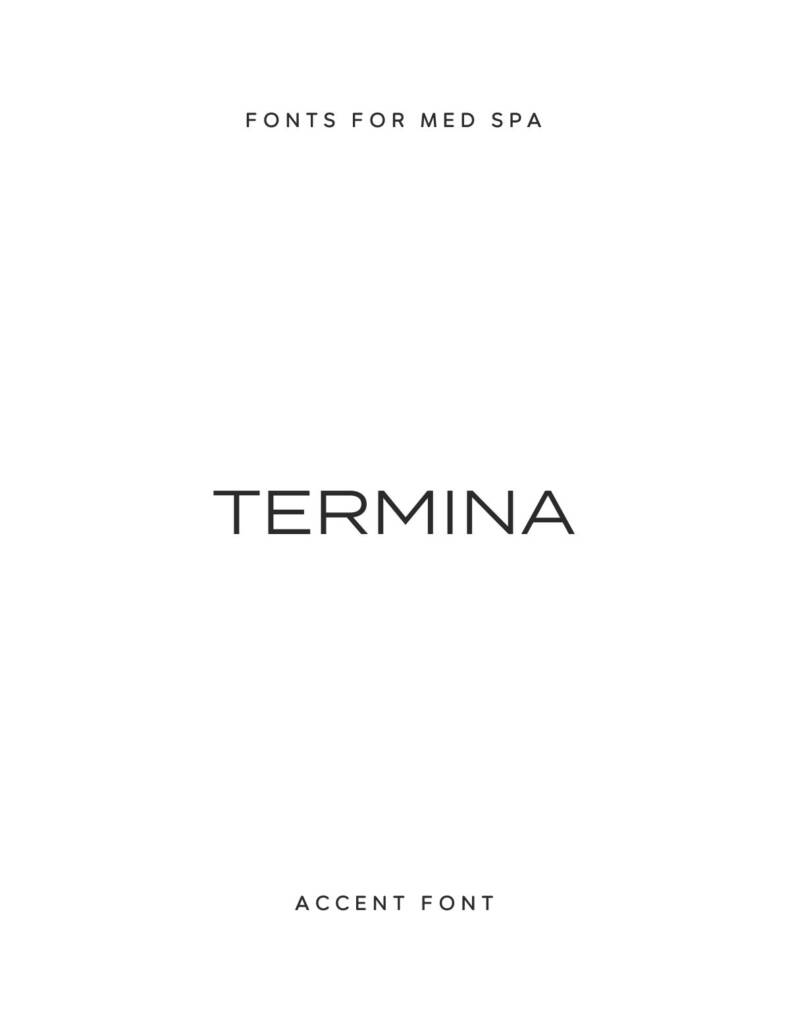
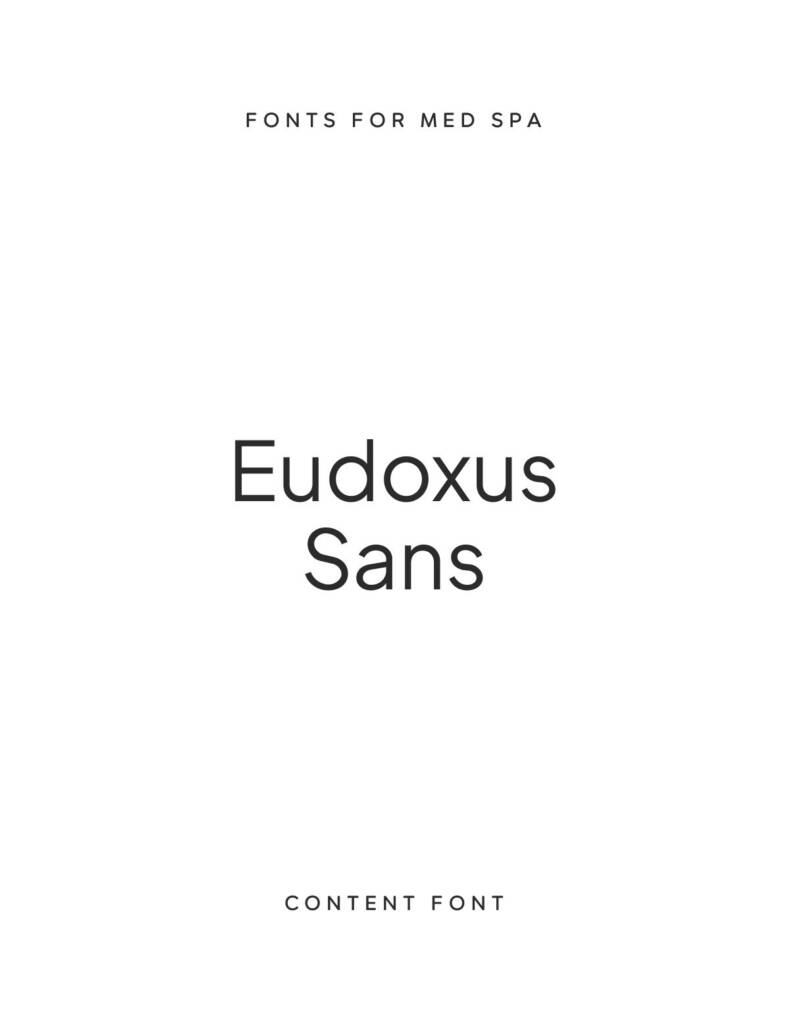
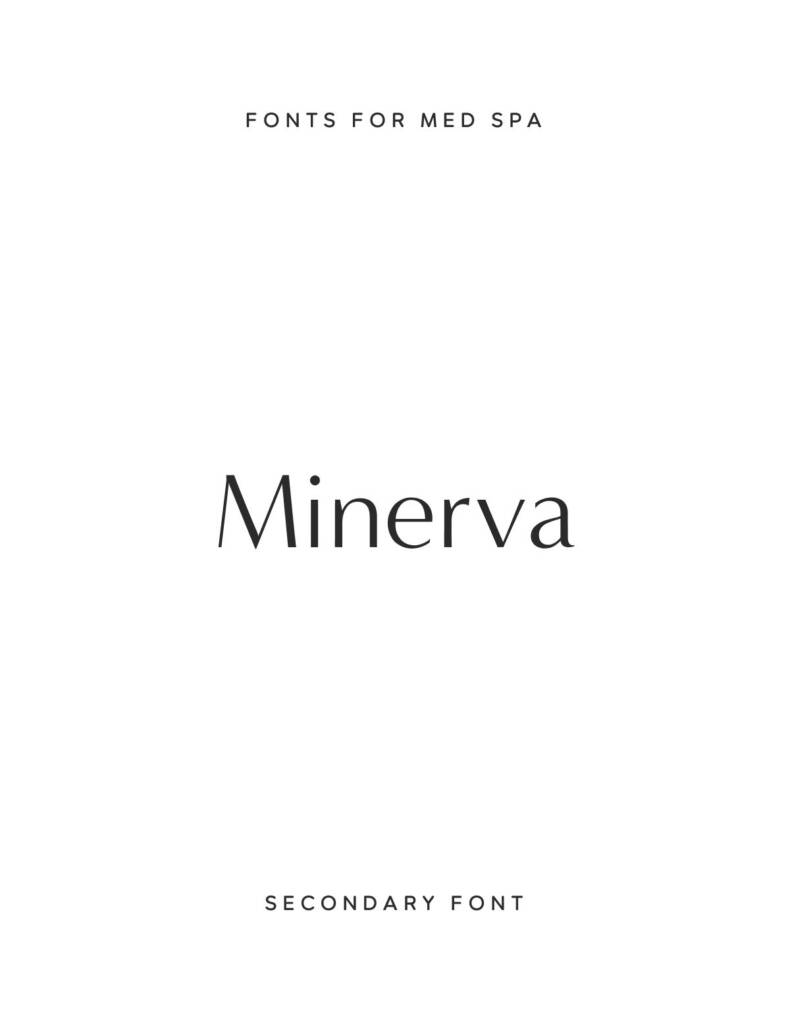
I also chose complementary fonts to use across the brand. In branding, font means the typeface system your brand uses—and, just like colors, it has its own proportion and hierarchy. It defines how fonts are applied across titles, subtitles, and body text, as well as which font is primary (used most) and which is secondary (for support).
Need more inspiration? Take a look at another, more playful style – Fun, bright logo design and brand guide for a dessert company