Line art style
Line art is a style that uses lines as its foundation.
This style incorporates both straight and curved lines, geometric shapes, and freehand drawing. A recognizable feature is the absence of shadows or volumetric fills.
This style is quite creative and is often associated with a sense of the artist’s presence, the human hand, and talent.
Characteristics
- Defined primarily by lines
- Sharp or curvy lines
- Less content to keep the design clean
- Absence of gradients, shadows, or textures
- Intentional line placement
- Clear idea behind it
- Strong connection to brand meaning
- Flat coloring or no fills
- Generous negative space
Direction 1 – Straight lines
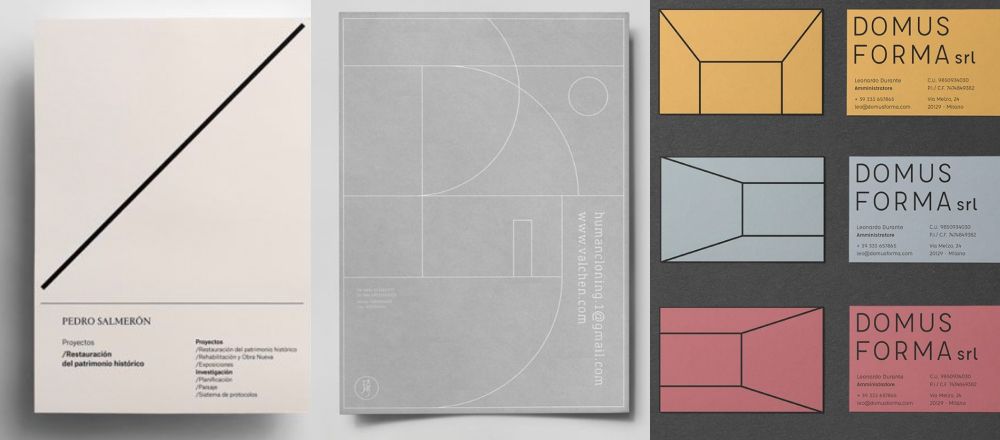
These designs are taken from third-party resources and are used solely as examples.
Straight lines may support a structured and strict style, often associated with architecture and planning, subtly referencing blueprints and technical layouts.
Direction 2 – Curvy lines
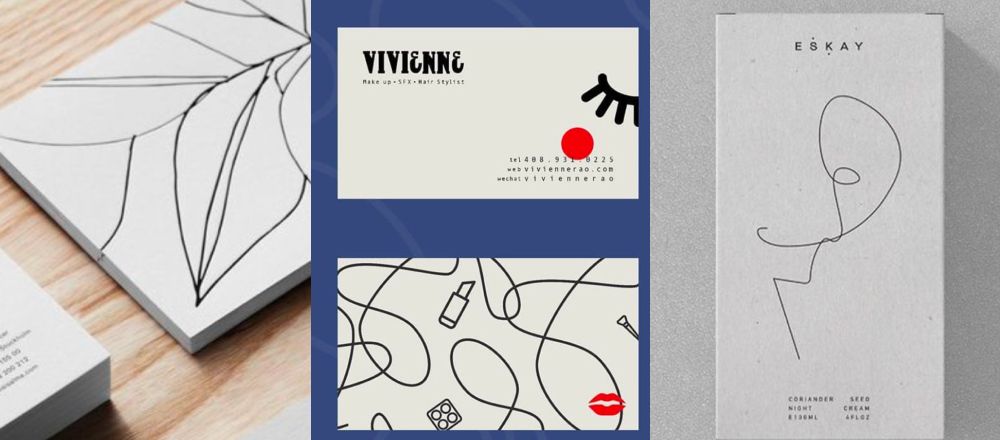
These designs are taken from third-party resources and are used solely as examples.
This approach conveys a more informal style.
It creates the impression of hand-drawn artwork placed on the surface, which feels engaging and adds a positive, approachable tone.
Most commonly used in industries:
- Architecture
- Interior Design
- Fashion
- Yoga
- Jewelry
- Beauty & Skincare
- Wellness
- Travel industry
- Marketing & Advertising
- Food & Drink
- Gifting industry
- Entertainment
Theme and colors
Mostly white theme. Any color can be used. However, color choice should reflect the brand voice — formal brands typically use neutral tones, while informal brands can use brighter, high-contrast colors.
Typography
Modern, straight fonts to maintain a clean look. Handwritten font accents
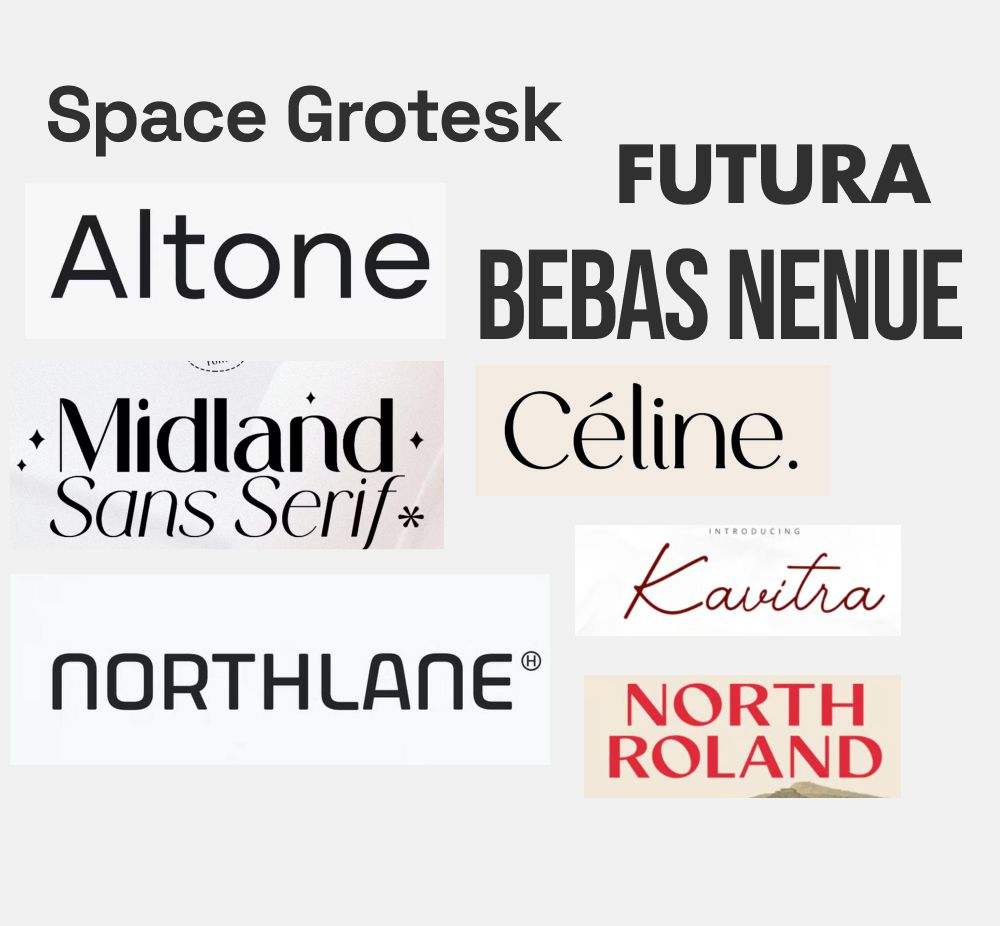
Examples of linear style
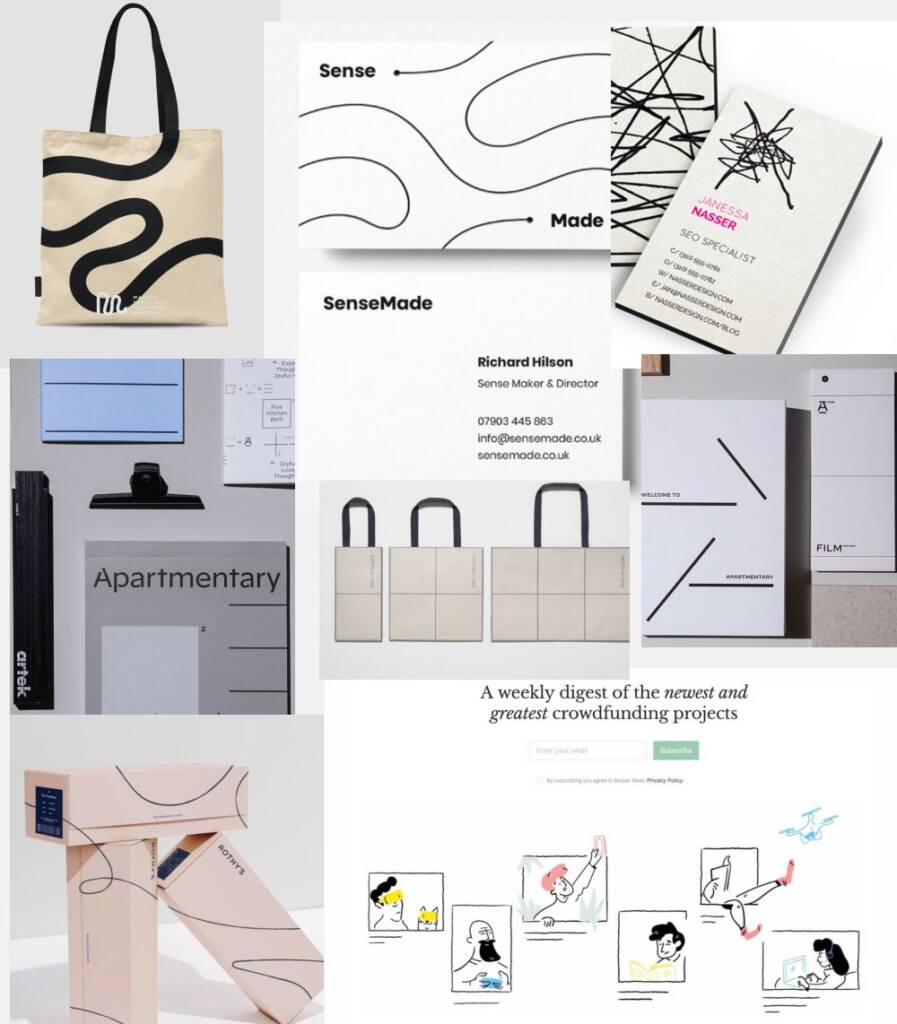
These designs are taken from third-party resources and are used solely as examples.